


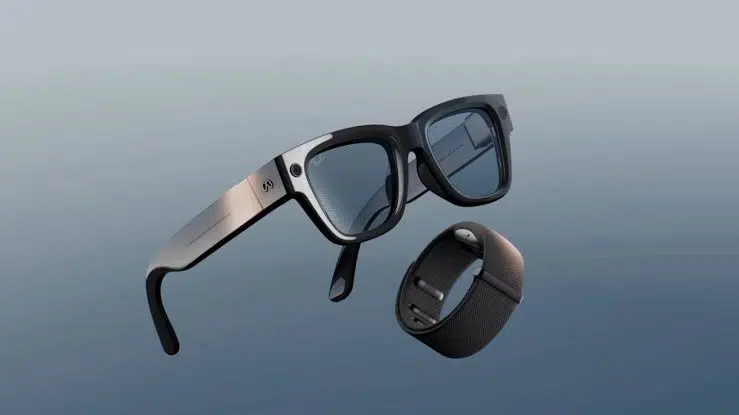
Meta’s Ray-Ban smart glasses, developed with EssilorLuxottica, are marketed as AI-powered assistants capable of translating languages, describing surroundings, capturing hands-free photos and videos, and answering questions about what the user sees. But interviews with Sama employees and Meta staff revealed that much of the footage recorded through the glasses is sent thousands of kilometers to Kenya, where annotators review and label it to improve the AI’s performance.
Several workers told the Swedish newspapers that they regularly encounter highly sensitive material, from everyday household scenes to intimate moments that users likely did not realize were being captured. Some footage reportedly included financial information such as visible bank cards or recordings in private spaces like bedrooms and bathrooms. “In some videos, you can see someone going to the toilet, or getting undressed,” one worker said. Another described footage showing a wearer leaving glasses on a bedside table as a spouse entered the room and undressed, apparently unaware they were being recorded. Other videos reportedly showed wearers watching pornography or engaging in sexual activity.
Transparency around the glasses is limited. Retailers in Europe have given inconsistent information about whether footage remains on the device or is transmitted to Meta’s servers. Independent testing cited in the report indicates that many of the AI features rely on cloud connectivity, meaning images and voice inputs are processed remotely rather than locally.
Sama, formerly Samasource, provides data annotation services to major tech companies including Meta and OpenAI. While the company enforces strict confidentiality agreements, the investigation suggests that the promise of seamless AI is powered by human workers reviewing large volumes of raw, unfiltered data to help algorithms recognize objects, environments, and context.
Meta’s privacy policies state that user content may be subject to human review to improve products and ensure safety. For European users, the company’s Irish subsidiary handles compliance with GDPR. Still, the report raises concerns about how data collected in Europe or the U.S. is processed in countries like Kenya, which lack data protection regimes equivalent to GDPR.
While these annotation and moderation jobs are a growing part of Nairobi’s tech scene, they often come with low pay, heavy workloads, and exposure to disturbing material, primarily affecting college students and young graduates. Meta has defended its practices in public statements, citing investments in privacy safeguards and minimizing data used for training. Yet the investigation underscores that the boundary between automated intelligence and human oversight is far blurrier than many consumers may realize.