


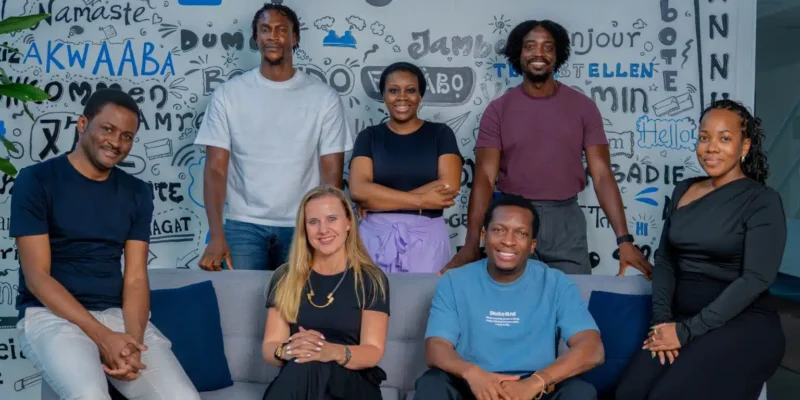
Stripe agreed to acquire Paystack in October 2020. Lagos-based startup helping businesses accept payments online, for $200 million. At the time, it was the largest acquisition of a Nigerian startup, and Paystack had about 60,000 businesses using its services.
Stripe said the deal would help Paystack build new products and connect Africa’s fragmented payments market. Paystack would also continue operating independently.
Its CEO, Shola Akinlade, promised to expand into more countries, support more payment methods, and offer more services.
Six years later, that expansion has taken shape. Paystack now operates across several African markets and has moved beyond helping businesses collect payments. It has a consumer app, a microfinance bank, and interests in other financial services businesses.
But this expansion also points to a bigger question: how does a fintech make more money from the money it already moves?
In 2020, Paystack’s business model was straightforward. Every time a customer paid a business through its platform, Paystack collected a fee. The more transactions it processed, the more money it made.
Its standard local transaction pricing is 1.5% plus ₦100, capped at ₦2,000. On a ₦10,000 transaction, that works out to ₦250.
The challenge is that this model depends on people constantly moving money through the platform. When transactions slow down, revenue can fall with them.
Banks have another way to make money. They can hold deposits and lend some of that money to borrowers, earning interest in the process. That creates an additional source of income beyond transaction fees, although it also comes with funding costs, credit risk, and regulatory obligations.
Brazilian fintech Nubank offers an example of how valuable this model can become. By the end of 2025, it reportedly held $41.9 billion in deposits and had made $2.9 billion in profit. Globally, interest income accounted for 46% of payments revenue in 2024, according to McKinsey.
The lesson for Paystack is clear: moving money can build a business, but holding it and putting it to work can create another source of revenue.
The company Stripe acquired in 2020 is now trying to make that transition. Its journey also shows why African fintechs are moving into banking, and why becoming a bank is only the beginning of the challenge.
Paystack grew, but expansion came with new pressures
Stripe’s backing gave Paystack room to expand. It now serves businesses in Côte d’Ivoire, Ghana, Kenya, Nigeria, and South Africa, with approvals in Egypt and Rwanda. It also built teams beyond Africa, including an engineering hub in Dubai.
But operating across several markets brings its own problems. Costs may be denominated in dollars while revenue comes in local currencies, many of which have lost value against the dollar.
In 2023, the naira suffered a sharp decline following major foreign exchange reforms. The Kenyan shilling also weakened. As a result, money Paystack earned in local currencies became worth less in dollar terms, even as its business continued to grow.
That November, Paystack laid off 33 employees across Europe and the United Arab Emirates.
At the same time, the way Nigerians paid businesses was changing.
By 2023, bank transfers accounted for 34% of Paystack’s payment volume in Nigeria, up from 12% in 2021. The company had introduced a pay-with-transfer option in 2020, and its growing share showed that customers were increasingly comfortable using bank transfers to pay for goods and services.
Transfers were often cheaper and more convenient than cards. For Paystack, however, the shift meant adapting to how customers wanted to pay while finding ways to make the business more sustainable.
The company followed that demand.
In 2023, it introduced Virtual Terminal, a service that gave merchants a Paystack-Titan bank account they could use to receive transfers from customers. The product helped businesses collect payments offline, but it also brought Paystack closer to the world of bank accounts and customer balances.
There was a catch: the interest earned on those balances went to Titan Trust Bank, rather than Paystack.
Paystack could help businesses collect more money, but it could not yet capture all the financial value that came with holding it.
From processing payments to holding deposits
In May 2024, Paystack led a group of investors that acquired Brass, a business banking startup.
The deal came at a difficult time for Brass. The company had struggled to process customer withdrawals since October 2023, and two people familiar with the situation said it had a ₦2 billion shortfall in its books. Investors were concerned that a collapse could damage confidence in other fintech businesses.
The acquisition gave Paystack access to Brass’s business customers, but it also offered a closer look at the risks of running a financial services business that holds customer deposits.
Then came Zap.
In March 2025, Paystack launched the consumer app, its first direct attempt to build a financial product for everyday users. Customer deposits were held at Titan.
By the end of April, the Central Bank of Nigeria had fined Paystack ₦250 million. According to a person familiar with the matter, the regulator found that Zap was operating like a wallet, a service that Paystack’s existing licence did not permit.
The distinction matters. A payments licence allows a company to facilitate transactions between accounts. Holding customer funds in a wallet that people can spend from later is a different activity and requires the appropriate regulatory approval.
Zap had moved Paystack closer to the business of holding money, but its existing licence did not cover the way the product was initially operating.
The company later obtained regulatory approval for Zap. Then, in January 2026, it took a more significant step: acquiring a bank.
Paystack becomes a group of financial businesses
In January 2026, Paystack acquired Ladder Microfinance Bank and announced plans for Paystack MFB to begin lending to businesses before expanding to individuals.
Days later, it established a holding company called The Stack Group.
The restructuring marked a change in how Paystack wanted to operate. Rather than relying on payment processing alone, it could now build and manage several financial businesses under one group.
Paystack said its payment volume had grown more than twelvefold since 2020 and that the group was profitable.
In June 2026, Brass announced that it would stop operating as a standalone business and move its customers to Paystack MFB. In August, Allawee, a card company Paystack had acquired in 2025, told customers that their accounts would close on December 1 and that they would need to open new accounts with Paystack.
These moves bring more customers and financial products into Paystack’s growing ecosystem.
The microfinance banking licence also changes the economics of the business. Paystack can now accept deposits and lend, allowing it to earn interest income alongside its payment fees. That does not mean transaction fees will stop mattering, but it gives the company another way to generate revenue.
The question is whether it can build a deposit base large enough to make that strategy work.
The challenge is getting customers to stay
Paystack is entering a market where established fintechs have spent years building relationships with businesses and everyday consumers.
Moniepoint, for example, says it serves more than six million active businesses through its in-person network. OPay and PalmPay have also expanded through agent networks, putting their services within reach of traders, shop owners, and customers across Nigeria.
These networks do more than help people make payments. An agent can help a trader deposit cash, withdraw money, resolve an issue, or open an account. Over time, that daily contact gives customers a reason to keep using the service and leave money in their accounts.
Paystack built its reputation differently.
Its strength has been online payments. A business integrates its checkout system, customers make payments, and the relationship can continue without anyone needing to visit a physical location.
That model helped Paystack grow, but it did not give the company the same physical presence as fintechs built around agency banking. Its expansion into in-person payments has not matched the scale of those networks.
This creates a challenge for Paystack MFB. It must convince businesses and individuals to open accounts, deposit money, and keep using those accounts regularly.
Buying businesses such as Brass and Allawee can speed up that process. Instead of building every customer relationship from scratch, Paystack gains access to existing users and accounts. But retaining those customers and growing their deposits will depend on the quality of its products, the reliability of its services, and the trust it earns.
Banking also brings responsibilities that a payments company can avoid. Deposits must be managed carefully, loans must be repaid, and customers expect easy access to their money. A larger balance sheet can create new revenue opportunities, but it also exposes the business to new risks.
Paystack has spent six years expanding beyond its original payments business. It has entered new markets, launched a consumer app, acquired financial services companies, and bought a microfinance bank.
Now comes the harder part.
In 2020, Stripe bought a company that helped businesses move money. Today, Paystack is building a business that wants to do more with the money it moves.
Its next chapter will depend not just on how much money passes through its platform, but on how much customers choose to leave with it.