


Onafriq spent five years building a network of agents to help Nigerians move money, pay bills, and access financial services without visiting a bank branch. Now, it is shutting that business down.
The African payments company is winding down Baxi, its Nigerian agent banking business, after concluding that the operation is no longer sustainable. Rising costs, a weaker naira, shrinking margins, and the growing use of instant bank transfers have made it harder to keep the business running profitably.
The decision marks the end of a major bet on Nigeria’s cash-based economy. It also highlights a challenge facing agent banking operators: building a large network is one thing; making enough money from it to cover the cost of running it is another.
In a statement on Friday, Onafriq said its decision followed a review of Baxi’s long-term strategy and sustainability. The company operates across 40 African countries and will continue its other Nigerian operations, including payment services and card issuing.
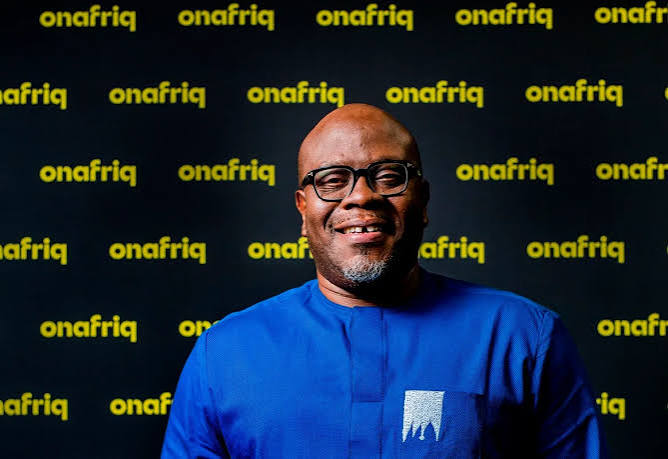
“We entered Nigeria with conviction and commitment, but did not achieve the outcome we set out for,” said Dare Okoudjou, Onafriq’s founder and chief executive officer.
He described the closure as a difficult decision, acknowledging the employees, agents, and business partners who helped build Baxi’s network.
Onafriq did not disclose how many employees would be affected. It said it would consult with them and provide support during the transition.
For agents, the company said arrangements had been made to move them to another principal bank. They have also been asked to transfer their funds to their preferred principal bank within 30 days.
The cost of keeping Baxi running
Onafriq entered Nigeria’s agent banking market in 2021 by acquiring Capricorn Digital, the company behind Baxi.
At the time, Baxi had more than 90,000 agents and had processed over $1.6 billion in transactions in 2021. For Onafriq, then known as MFS Africa, the acquisition offered a way to connect Nigeria’s extensive network of offline payment agents to its broader cross-border payments infrastructure.
Baxi’s agents helped customers withdraw and deposit cash, transfer money, pay bills, and access other financial services. For people and businesses that relied on cash, these agents provided an important link between the formal financial system and everyday transactions.
But the economics of maintaining such a network became more difficult as Nigeria’s economy came under pressure.
In 2024, the naira lost roughly 129% of its value, falling to an average of ₦1,479 per dollar. Inflation also reached 34.8% in December 2024, according to the Central Bank of Nigeria.
For a business with a large physical network, these pressures can push up operating expenses while reducing the value of earnings when measured in dollars. If transaction volumes fall or the amount earned from each transaction shrinks, the business has less room to absorb those costs.
That appears to be part of the problem Onafriq faced with Baxi. The company cited inflation, currency depreciation, rising operating costs, lower trading volumes, and margin pressure among the reasons for its decision.
However, the challenge was not economic pressure alone. The way Nigerians move money was also changing.
Nigerians are finding other ways to move money
For years, agent banking businesses benefited from customers who needed a physical location to deposit cash, withdraw money, or make payments. But instant bank transfers have made it possible to complete many of those transactions directly from a phone.
Central Bank of Nigeria data show that internet transfers reached 11.6 billion transactions in the first half of 2024, compared with 6.3 billion point-of-sale transactions over the same period.
The figures show how deeply digital transfers have become embedded in Nigeria’s payments system. They do not mean cash or agent banking has disappeared, but they point to a market where customers have more ways to move money without visiting an agent.
For operators such as Baxi, that shift matters. When customers can make a transfer themselves, they may have less reason to visit an agent. Fewer transactions can mean lower commissions for agents and less revenue for the businesses managing the network.
Competition has made the market even tougher. Moniepoint, OPay, and PalmPay have built substantial positions in Nigeria’s agent banking and point-of-sale market, competing for merchants, agents, and transaction volumes.
Baxi was entering a market where scale mattered, but scale alone was no longer enough. Operators also needed sufficient transaction activity and margins to justify the cost of maintaining their networks.
Onafriq is not leaving Nigeria
Despite the closure, Onafriq says it is not withdrawing from Nigeria altogether.
The company will continue operating as a Payment Solution Service Provider, focusing on its payments network and card-issuing services. Its decision is limited to the agent banking business, rather than the wider Nigerian market.
That distinction is important. Onafriq is stepping away from one part of its business while retaining operations in areas it intends to continue developing.
The shutdown also comes amid wider pressure on fintech companies operating in Nigeria. In May 2026, cross-border payments infrastructure company Chimoney ceased operations after struggling to raise enough capital to continue. In July, Gigbanc announced plans to wind down its business amid a difficult fundraising environment.
These companies have different business models and circumstances, so their decisions should not be treated as identical. Still, their struggles reflect the challenges fintechs face when raising capital, controlling costs, and building businesses that can sustain themselves over time.
For Onafriq, Baxi’s closure raises a broader question about the future of agent banking in Nigeria. The demand for cash remains, and physical agents continue to serve customers who need access to financial services. But serving that demand profitably is becoming more complicated as digital payments grow and competition intensifies.
Onafriq entered Nigeria with a network of more than 90,000 agents and a plan to connect offline payments to a wider African financial network. Five years later, it is walking away from that part of the business.
The lesson is not that agent banking no longer matters. It is that a large network is only valuable if the transactions it generates can support the cost of keeping it alive.