


After years of building a vertically integrated supply chain from farms to delivery trucks. Kenyan B2B e-commerce company Twiga Foods is changing course. In a major strategic pivot, the company has acquired controlling stakes in three fast-moving consumer goods (FMCG) distributors, Jumra, Sojpar, and Raisons to trim operational costs and unlock profitability in Kenya’s fragmented retail landscape.
Twiga’s new approach marks a shift from owning infrastructure to outsourcing it. The startup, which launched in 2014, once aimed to transform Kenya’s informal retail sector by controlling nearly every link in the supply chain. But that capital-heavy model proved difficult to sustain. Now, instead of running farms or managing fleets, Twiga wants to combine traditional distribution with digital systems, leaning on third-party operators to handle the physical grunt work.
The acquired distributors will retain their management teams and continue operating independently. Twiga, meanwhile, plans to embed its tech stack warehouse software, route optimisation tools, and data analytics into their operations.
Through the deal, Twiga gains access to eight distribution centres across Central, Coast, and Western Kenya, sidestepping the need to build its own infrastructure from scratch. The company did not disclose how much it paid for the acquisitions or the revenue generated by the acquired firms.
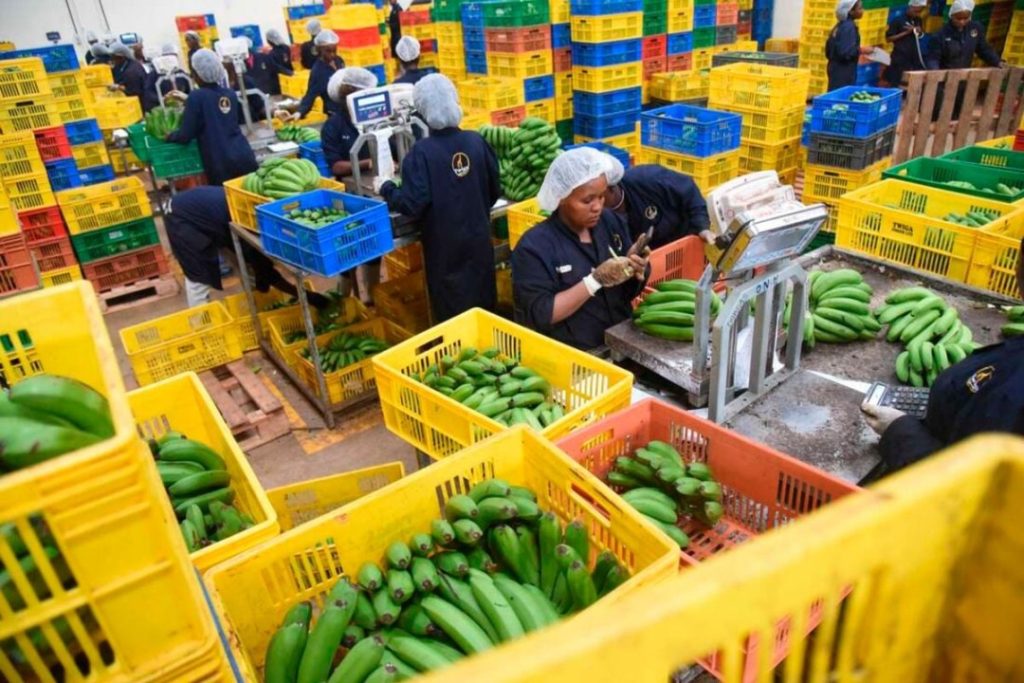
Twiga’s original model managing farms, sourcing directly from farmers, and handling logistics in-house helped the company control pricing and quality but also came with high fixed costs. In 2023, after years of operational strain, Twiga shut down its farming division, laid off staff, and began pivoting toward an asset-light model.
This new strategy sees Twiga widening its focus to include informal retailers beyond major urban hubs. The three newly acquired firms will continue serving formal trade clients, allowing Twiga to tap into a broader customer base without overextending itself operationally.
Integration between Twiga and the distributors will be gradual. While joint procurement is planned for select product categories, the company hasn’t detailed how decisions will be shared or how responsibilities will be divided. One key goal is to reduce delayed payments to suppliers a persistent issue that has previously strained Twiga’s vendor relationships. By sharing inventory data and consolidating procurement, Twiga hopes to improve its cash conversion cycle.
The acquisitions were funded by existing investors, Juven and Creadev, indicating Twiga did not raise new capital for the deal. It’s a sign of the times: in a cautious funding environment, consolidation and operational efficiency are replacing the high-burn, rapid-growth strategies that once defined African tech.
Twiga’s new playbook is less about owning everything and more about making what already exists work smarter.
Rather than raise fresh capital, Twiga Foods has opted to reinvest from within, though it has not disclosed the amount or timing of that decision. The move signals a shift in strategy, but also suggests investor caution as the company continues to delay its breakeven point. For Twiga, its ability to stabilise margins through decentralisation may be the key to attracting new institutional funding in the future.
The company describes its new approach as a hybrid model “decentralised in operations to maintain agility and local knowledge, yet centralised in technology, business intelligence, and support processes.” On paper, it’s a balanced formula for scale and efficiency. In practice, however, the mechanics remain murky. Twiga maintains that its newly acquired distributors, Jumra, Sojpar, and Raisons will retain operational independence, but has not clarified the extent of its control over core functions like pricing, inventory, and fulfilment. Nor has the company outlined how success will be measured in such a decentralised setup.
Though modern and expansive, the Tatu City facility has been costly to run and less effective for last-mile delivery. A move toward Nairobi’s dense retail routes could trim fuel expenses, shorten delivery times, and optimise fleet usage.
Twiga’s strategic pivot mirrors a broader reckoning across Africa’s startup ecosystem. Startups that raised big rounds between 2019 and 2023 capped by a record $4.6 billion in funding in 2022 are now under pressure to prioritise profitability over growth. Even fintech heavyweight Flutterwave has announced a focus on profitability in 2025 ahead of its anticipated IPO.
Grand narratives of disruption have given way to more grounded conversations around discipline, cash flow, and operational efficiency.
“We are moving to a leaner, disciplined model with improved margins and working capital,” Twiga said in a statement.
Still, executing that vision won’t be simple. Solving Kenya’s distribution challenges requires more than smart software; it demands on-the-ground coordination, strong local relationships, and the flexibility to respond to volatile demand. Twiga’s new model relinquishes total control in favour of distributed execution. Whether that will translate to better results or simply introduce new complexities remains to be seen.