







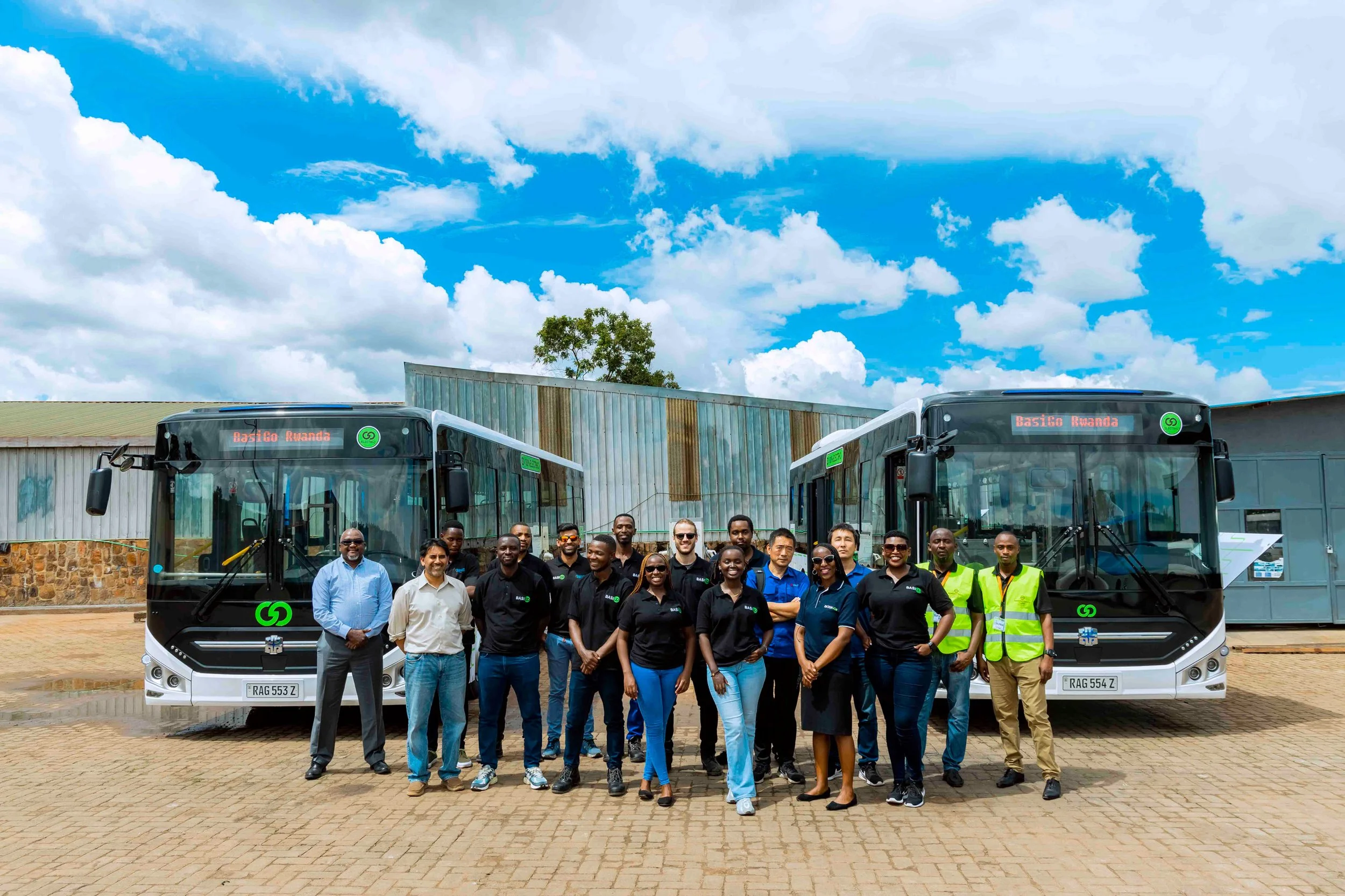
A Kenyan electric bus startup BasiGo, is piloting a scheduled commuter service in Nairobi, marking a shift beyond its core business of supplying electric buses.
Instead of simply selling vehicles to operators, the company is now testing fixed-route services that connect residential estates directly to key business districts such as Westlands and Upper Hill.
BasiGo has integrated electric mid-sized buses into existing matatu Saccos (transport cooperatives), introducing non-stop routes with set schedules. The aim is to bring structure to a public transport system that is often unpredictable and fragmented.
By using demand data to determine viable routes and departure times, the company hopes to close the reliability gap that pushes many middle-class Kenyans toward private car ownership.
The space is not entirely new. Swvl previously entered Nairobi with app-based, fixed-route buses targeted at office commuters before exiting the market in 2022. But unlike Swvl, which built operations largely from scratch, BasiGo is partnering with existing Saccos rather than competing directly with them.
According to Moses Nderitu, BasiGo’s Kenya managing director, the service is built on data-driven route planning. The company collects and analyses commuter demand, then works with operators to deploy buses on structured schedules.
The pitch is simple: guaranteed seating, digital payments, and a quieter electric ride. Through its booking platform, Jani, BasiGo aggregates demand and allows riders to pre-book seats.
A seat from Nyayo Estate to Westlands via the Nairobi Expressway costs KES 200 ($1.55), while the Mwiki to Upper Hill route costs KES 150 ($1.16). These fares are higher than the typical KES 80–120 charged by standard diesel matatus. However, the company argues that direct, non-stop routes eliminate the need for multiple connections, saving both time and stress.
About 80% of payments are made through M-PESA till numbers, while frequent riders can pre-book weekly through the app to secure priority seating during peak hours.
BasiGo says 90% of its riders are corporate employees, and claims the service can cut up to 40 minutes off a one-way commute a trade-off many professionals may find worthwhile.
The financial model is designed to reduce risk for traditional operators transitioning to electric mobility. Transport Saccos provide the buses, drivers, and day-to-day operations. After operating expenses, operators retain 75% of revenue, while BasiGo takes a 20% share for providing technology, data insights, and platform support.
Currently, around 300 unique weekly riders use the three-bus pilot service, with average occupancy rates of about 80%. While still small in scale, those figures suggest early demand for a more predictable commuting option.
BasiGo faces stiff competition. Ride-hailing platforms like Uber and Bolt offer door-to-door convenience, while executive diesel shuttles already cater to premium commuters.
The company plans to add 10 more buses over the next 12 to 24 months. However, expansion will depend on vehicle delivery timelines and the rollout of charging infrastructure.
For now, BasiGo’s experiment is testing whether data, structure, and electric mobility can reshape how Nairobi’s professionals get to work without asking them to abandon the public transport ecosystem entirely.


