






Kenya is set to criminalise the use of “high-risk” artificial intelligence (AI) systems without state approval, a move that could slow product launches and raise legal stakes for startups. The proposed rules would cover AI tools used in credit scoring, biometrics, health diagnostics, and other applications that directly affect access to money, jobs, and services.
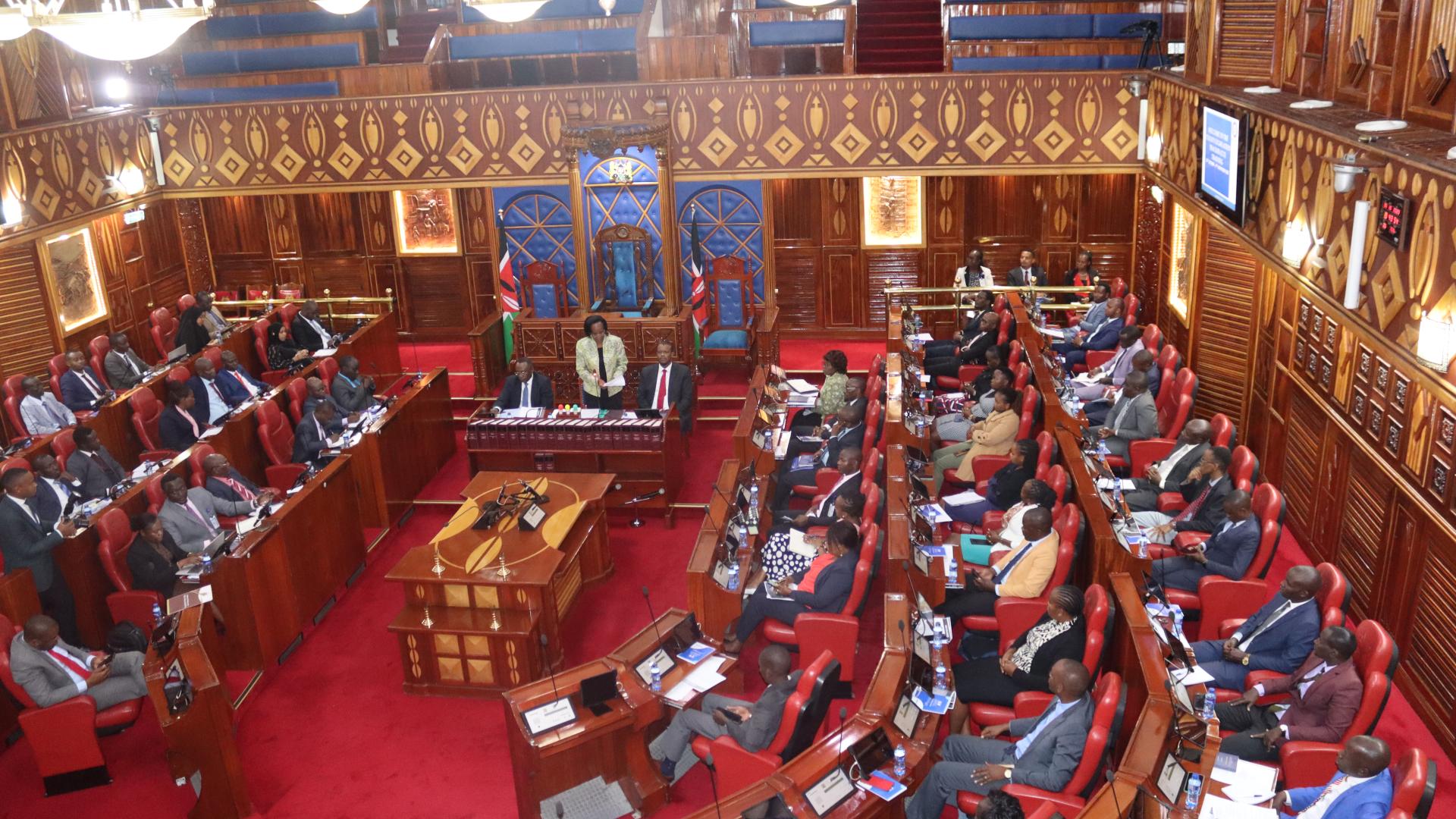
A draft Artificial Intelligence Bill 2026, sponsored by Senator Karen Nyamu, states that “a person shall not develop, deploy or operate a high-risk artificial intelligence system without the approval of the commission.” Violations could result in fines of up to KES 5 million ($38,000) or jail terms of up to three years.
The legislation comes as AI adoption accelerates across Kenya’s tech ecosystem from automated loan approvals and hiring decisions to fraud detection and customer support. The bill could bring many of these systems under direct state control.
A key question for founders is how “high-risk” AI will be defined. A broad interpretation could cover tools used in finance, health, education, and even general-purpose AI models integrated into local apps. The rules would also extend criminal liability to company directors, placing personal legal risk on executives who approve AI deployments.
Startups that rely on rapid iteration or third-party APIs from global providers may face pre-approval requirements that act as potential bottlenecks for product development.
The bill proposes creating an AI commissioner with authority to classify systems, grant approvals, and maintain a public register of AI tools. Regulators would also have powers to inspect AI systems, data, and related records, extending oversight into how products are designed, tested, and deployed.
By introducing criminal penalties alongside fines, Kenya diverges from markets such as the European Union and the United Kingdom, where AI regulations rely mainly on audits, compliance checks, and administrative penalties rather than jail terms for deployment.
The draft law also allows inspections of proprietary datasets and model documentation, which could pressure companies to balance regulatory compliance with protecting trade secrets.
“AI systems are beginning to influence credit decisions, hiring outcomes, and access to essential services,” said Mike Olukoye. “Tighter controls are needed to limit harm before it scales, and early oversight is critical in this space.”


