







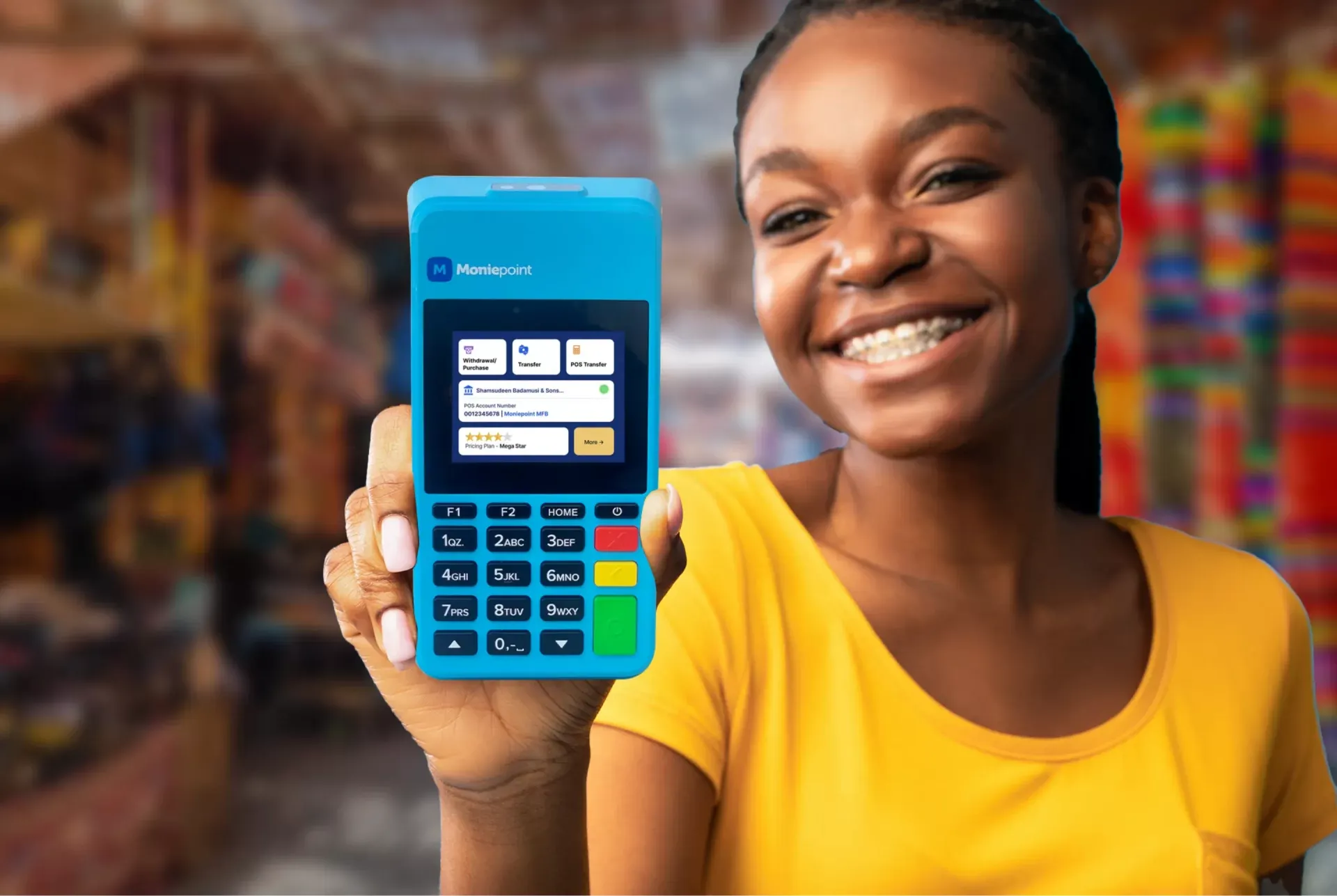
Moniepoint is winding down the remittance business as it shifts its focus back to its core African markets.
The Nigerian fintech unicorn said it made the decision after reviewing its portfolio and long-term priorities.
“Moniepoint Inc., Africa’s all-in-one financial platform, today announced that MonieWorld, its UK-based remittance business, is undergoing a strategic transition as the Group refocuses its resources on building and scaling its core platform for African businesses,” the company said in a statement on Tuesday.
The move marks a change in Moniepoint’s international expansion strategy. Instead of continuing to invest heavily in the UK, the company plans to put more resources into markets where it already has scale, particularly Nigeria and Kenya.
A costly UK expansion
Moniepoint launched MonieWorld in April 2025 to allow people in the UK to send money directly to Nigerian bank accounts.
Users could fund transfers through their MonieWorld accounts, cards, UK bank accounts, Apple Pay, and Google Pay.
The product entered a large remittance market. Around £2.76 billion ($3.69 billion) was sent between the UK and Nigeria in 2023, according to the Migration Observatory at the University of Oxford.
But building a regulated financial business in the UK required significant upfront investment.
Moniepoint incorporated Moniepoint GB in February 2024 and spent £1.2 million on administrative costs, technology infrastructure, and compliance staffing.
It also committed $2.5 million to acquire Bancom Europe Ltd, a UK-authorised electronic money institution regulated by the Financial Conduct Authority.
The acquisition was designed to help Moniepoint move faster through the UK’s regulatory requirements and expand its operations across the UK and European Economic Area.
By 2025, Moniepoint Group had earmarked about $7.39 million for its London expansion.
Between February and December 2024, the company spent $1.26 million on administrative and infrastructure expenses, recorded as a loss, and another $2.51 million as an equity deposit for the Bancom acquisition.
Despite those costs, Moniepoint said demand for UK-Nigeria remittances remained steady.
Growth, but not enough to continue
Moniepoint said MonieWorld’s monthly transaction volume among UK diaspora users increased by 70%, driven by payments through cards, Apple Pay, and Google Pay.
The company also said the product had served thousands of diaspora customers and helped it build cross-border payment infrastructure.
However, it has not disclosed how much money MonieWorld processed or how many customers it acquired.
That appears to have influenced the decision to wind down the business rather than continue committing capital to its UK operation.
“Having validated its cross-border infrastructure and delivered value to thousands of diaspora users, the Group is now redirecting this technical, capital, and operational architecture toward its primary African markets,” Moniepoint said.
What happens to MonieWorld customers?
MonieWorld will continue processing transactions during the transition.
Customers will receive information about the shutdown, including timelines, next steps, and guidance for any outstanding funds or transactions.
Moniepoint also said most employees working on MonieWorld will be moved into other roles within the company.
The company has not announced a specific date for the full closure.
Moniepoint is still expanding outside Nigeria
The decision does not mean Moniepoint is abandoning international expansion.
Instead, the company appears to be concentrating its expansion efforts within Africa.
In May, Moniepoint completed the acquisition of a 78% stake in Kenya’s Sumac Microfinance Bank, giving it a stronger foothold in East Africa.
In July, it appointed Rose Muturi, the former CEO of Branch Kenya, to lead its Kenyan operations.
Back home in Nigeria, the company has also expanded beyond its traditional payments business, including its acquisition of Orda, a cloud-based restaurant management platform.
For Moniepoint, the strategy is becoming clearer: rather than spreading resources across distant markets, it is doubling down on the African businesses and markets where it already has infrastructure, customers, and regulatory experience.


