


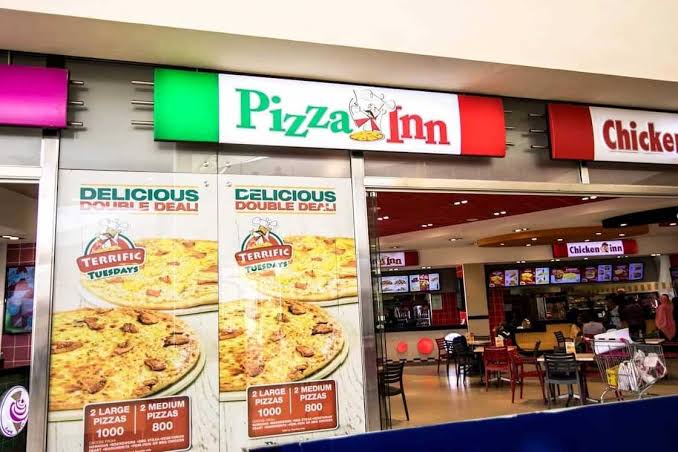
Simbisa Brands, the Zimbabwean group behind Pizza Inn, Chicken Inn and other fast-food chains, has acquired the remaining 25% stake in its Kenyan delivery business, Kutuma Kenya, for about $664,000.
The move comes as online food delivery continues to grow in Kenya, where more than a quarter of Simbisa’s sales now come through home deliveries.
According to the group’s 2026 annual report, Simbisa recorded a net cash outflow of KES 85.8 million ($663,882) to buy out the minority shareholder. The transaction gives the company full ownership of Kutuma, up from 75% in the previous financial year.
Simbisa operates several popular food brands, including Pizza Inn, Chicken Inn, Galito’s, Creamy Inn and Bakers’ Inn.
Through Kutuma, the group runs Dial a Delivery, which handles orders from its restaurant chains. It also operates Yum, a platform that lists restaurants and grocery stores in Nairobi, and Swyft, a delivery service for businesses.
With full ownership of Kutuma, Simbisa is looking to build a wider delivery marketplace that serves not just its own restaurants but other businesses as well.
This puts the company in competition with established delivery platforms such as Glovo, Uber Eats and Bolt Food. However, Simbisa has an advantage: its restaurant brands already generate a steady stream of orders.
By bringing more restaurants and shops onto its platforms, Kutuma could attract additional customers, increase the number of deliveries handled by its riders and spread delivery costs across more orders.
Kenya’s delivery market continues to grow
Simbisa handled 3.23 million deliveries in Kenya in the year ended June 2026, up from 2.03 million in the previous year.
Delivery sales also accounted for 27.4% of the group’s total revenue in Kenya, compared with 21.7% a year earlier.
The figures highlight how important home delivery has become to Simbisa’s Kenyan operations. In Zimbabwe, where the group operates 352 outlets compared with 257 in Kenya, delivery contributed just 5.1% of sales.
In its annual report, Simbisa said delivery orders increased by 59% during the year, helping the company reach more customers and offer greater convenience.
The growth also comes at a time when Kenya’s food delivery market is adjusting to changes in competition. Jumia Food exited the country in December 2023, leaving room for other platforms to strengthen their presence.
A 2024 study by the Competition Authority of Kenya found that about 85% of retailers surveyed did not have exclusive agreements with delivery platforms. This means many restaurants and retailers can list their businesses on multiple apps rather than depend on a single service.
More orders, but spending remains under pressure
Delivery orders in Kenya grew much faster than overall customer traffic during the year.
However, Simbisa also faced pressure from rising competition and households becoming more careful with their spending. The company relied on promotions and competitive pricing to attract customers.
Although average customer spending fell by 3% in US dollar terms, higher customer numbers helped lift Kenyan revenue by 11%. Operating profit also increased by 16%.
Simbisa says it will continue investing in delivery services and digital ordering, particularly in areas where it expects the spending to generate good returns.
For Kutuma, the next challenge is turning its existing delivery operations into a broader marketplace that can attract independent restaurants, grocery stores and other businesses.
With millions of deliveries already coming from Simbisa’s own brands, the company has an established customer base to build on. The bigger question is whether it can use that advantage to compete more widely in Kenya’s growing online delivery market.