


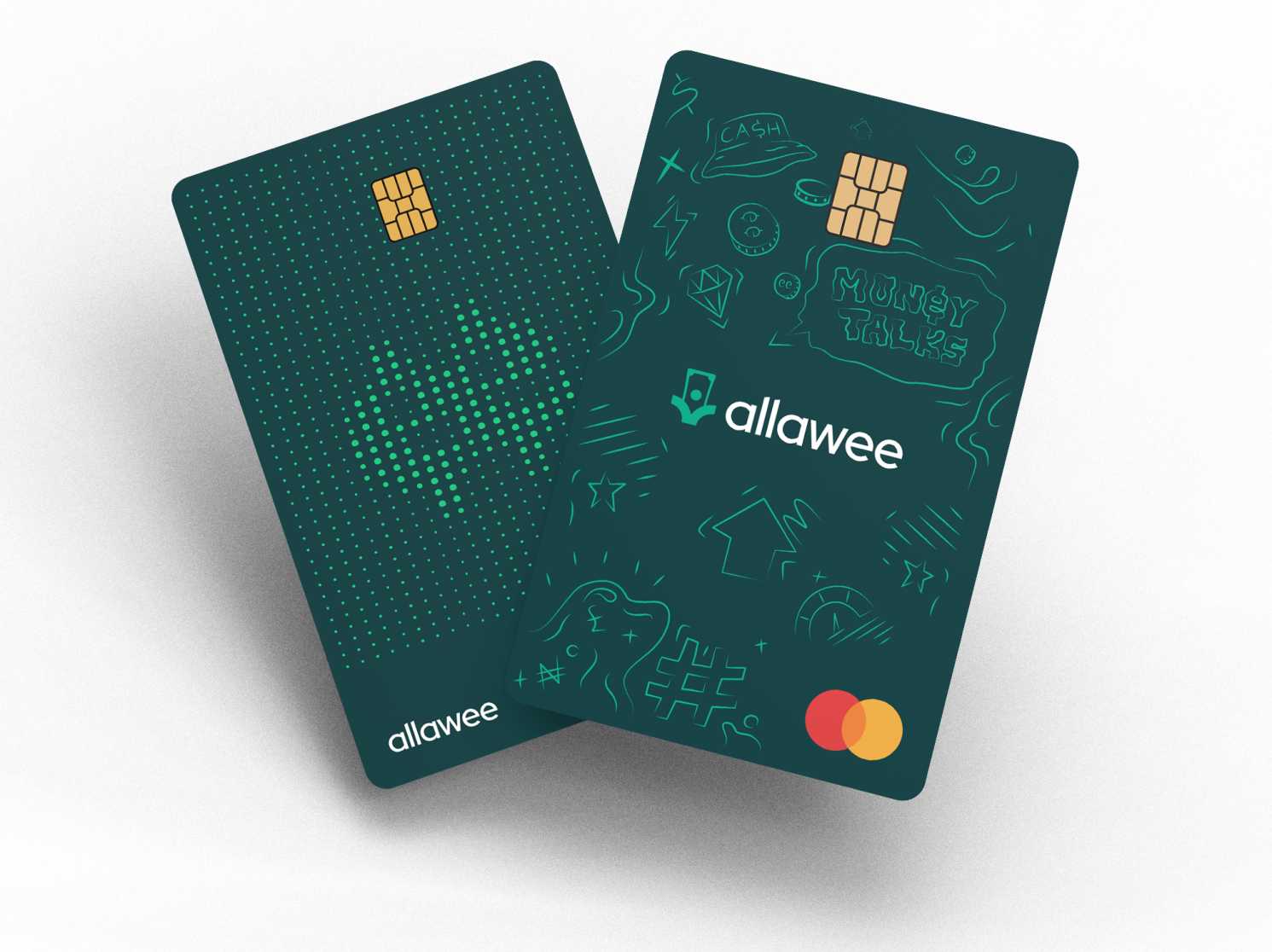
For years, Nigerian fintechs have had a complicated relationship with cards. Early on, many leaned on foreign-issued options like Visa and Mastercard to attract users and promote online spending. But as the country’s economic conditions worsened and bank transfers surged in popularity, cards began to fall out of favour.
To adapt, many fintechs abandoned international card schemes, opting instead for local alternatives or scrapped card offerings altogether to cut costs and adjust to changing customer behavior.
At the heart of the issue is a delicate revenue model. Fintechs earn from cards via interchange fees: a small percentage charged on every transaction. But when customers stop using their cards, these fintechs are left covering recurring costs maintenance, compliance, and more without the benefit of that transaction revenue. Essentially, idle cards become liabilities.
Allawee, a Nigerian startup, believes it has a fix.
The company is building infrastructure to help fintechs re-engage with card issuing profitably. Its model hinges on three revenue streams: a monthly fee on each active card, a 0.5% cut from interchange, and a premium fee on foreign transactions. By tying revenue to activity and reliability, Allawee is betting that it can make cards worthwhile again.
But it won’t be easy. For a fintech to break even, customers must actively use their cards. That’s been a growing challenge. As bank transfers now account for more than half of Nigeria’s online payments, consumers are using cards less frequently. The higher margins and lower friction associated with transfers have made them more attractive to both customers and fintechs.
Still, cards remain one of the most direct and convenient tools for accessing funds. If Allawee can guarantee uptime, smooth user experience, and tangible revenue for fintechs, it could help revive a channel that many had written off.
Already, companies like Piggyvest, Nomba, and Carbon are leveraging Allawee’s end-to-end card issuing stack, which includes core banking functionality, real-time card authorisation, and direct integrations with card schemes like Mastercard and Verve. In doing so, Allawee isn’t just building infrastructure, it’s trying to restore confidence in a payment method many fintechs once considered essential.
In 2024, Carbon, one of Nigeria’s oldest fintechs, pulled the plug on its card offerings. The 13-year-old company best known for its loan-led financial services, found that the high costs and reliability issues associated with foreign-issued cards no longer made sense for its business.
But in February 2025, after mounting demand from customers, Carbon reintroduced cards this time with a crucial change: a partnership with Allawee.
“The decision to partner with Allawee turned out to be one of the most effective moves we’ve made,” said Chijioke Dozie, CEO of Carbon. “They moved with incredible speed, understood our needs, and delivered a seamless card infrastructure that surpassed our expectations.”
For Carbon, the pain points had always been clear: failed transactions that frustrated users and steep operational costs tied to managing a card program. Allawee’s infrastructure addressed both. By providing an integrated system that connects with payment switches, card processors, banks, card personalisers, and manufacturers all through a single dashboard, Carbon was able to slash the time it takes to issue a card from several months to just a few weeks.
“Traditionally, launching a card program takes one to two years, whether in Nigeria or abroad,” said Enenwali, Allawee’s co-founder. “With our platform, a fintech can configure, issue, and manage cards in just three clicks. That speed has been a game-changer.”
For Carbon, it’s not just about speed, it’s about reliability. With the backend complexity handled by Allawee, the company can now offer cards that work when customers need them, without sacrificing profitability.
And for Allawee, the Carbon partnership is more than a case study, it’s proof that fintechs can still make cards work, if the infrastructure works first.