


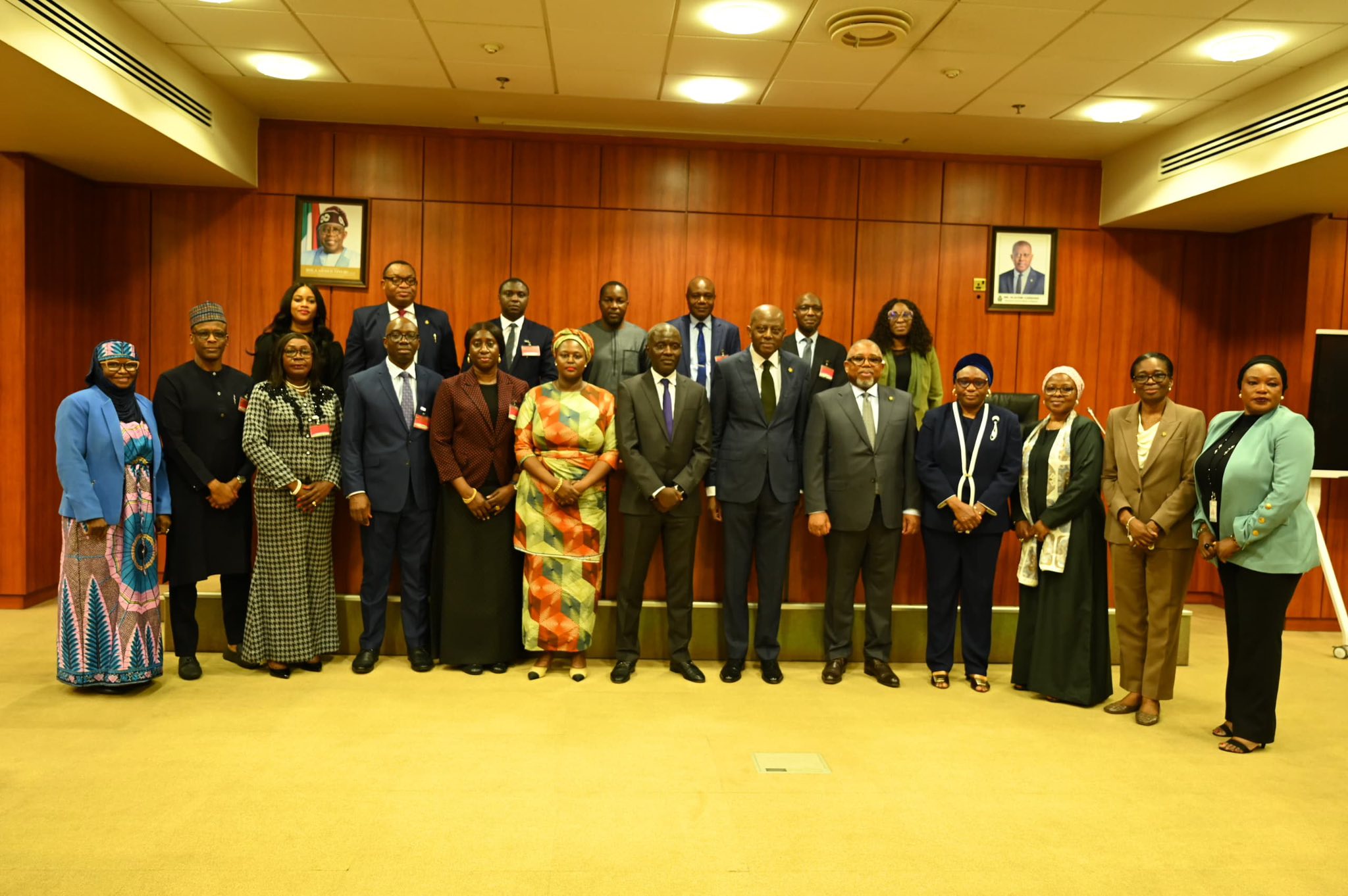
Central Bank and the Nigerian Communications Commission have signed a new agreement aimed at tightening oversight of digital financial transactions by giving banks real-time access to telecom data, in a move designed to plug one of the most exploited gaps in the country’s payments system.
At the heart of the Memorandum of Understanding is a data-sharing framework known as the Telecom Identity Risk Management System (TIRMS). The system will allow banks and other financial institutions to instantly verify the status of mobile numbers used in transactions checking whether a number has been recently swapped, recycled, flagged for suspicious activity, or deactivated before payments are completed.
The initiative targets a growing weakness in Nigeria’s fraud landscape: the mobile number as an identity point. Many financial scams have relied on SIM swaps and compromised phone numbers to bypass security checks and gain unauthorized access to accounts. Until now, banks have had limited visibility into the real-time status of these mobile identities.
According to data from the Nigerian Interbank Settlement Systems (NIBSS), fraud losses in the banking sector dropped to ₦25.85 billion ($18.7 million) in 2025, a 51% decline. However, the threat remains significant, with many cases still tied to telecom vulnerabilities.
Speaking at the signing in Abuja, Aminu Maida, executive vice chairman of the NCC, said the partnership reflects the growing overlap between telecoms and finance in Nigeria’s digital economy. “Mobile numbers increasingly underpin identity, authentication, and financial access,” he said. “Collaboration with the CBN is essential to ensure innovation is matched with strong governance, system stability, and consumer safeguards.”
Despite recent improvements, fraud has remained a persistent challenge. Industry figures show losses surged from ₦17.67 billion ($12.80 million) in 2023 to ₦52.26 billion ($37.86 million) in 2024, underscoring how quickly criminal tactics have evolved alongside digital adoption.
Many of these schemes exploit weaknesses in telecom infrastructure, particularly SIM swaps, recycled numbers, and identity hijacking through compromised mobile lines. With the new framework, banks will be able to flag high-risk numbers in near real time, reducing the chances of fraudulent transactions slipping through.
“Across Nigeria, citizens and businesses depend on digital channels to save, pay, and trade,” said CBN Governor Olayemi Cardoso. “Those channels depend on resilient telecommunications networks, trusted identity systems, and secure data flows.”
Beyond fraud prevention, the agreement also seeks to strengthen the wider payments ecosystem. Both regulators will work more closely on areas such as instant payments, QR-based transactions, and open banking standards, with the aim of improving system reliability and scalability.
The partnership builds on earlier cooperation between the two agencies, including their joint intervention in 2025 to resolve the long-standing USSD debt dispute between banks and telecom operators, which had disrupted services nationwide. Regulators say the new framework is intended to provide a more structured and long-term approach to such cross-sector issues.
Consumer protection is another key focus. The agreement introduces coordinated mechanisms for resolving issues that span both sectors, such as failed airtime deductions or transaction errors, while also committing both regulators to joint public awareness campaigns and improved complaint resolution processes.
To drive implementation, the MoU establishes two joint committees, one focused on payment systems and consumer protection, and another dedicated to telecom identity risk management tasked with overseeing execution and ensuring sustained collaboration between both industries.