


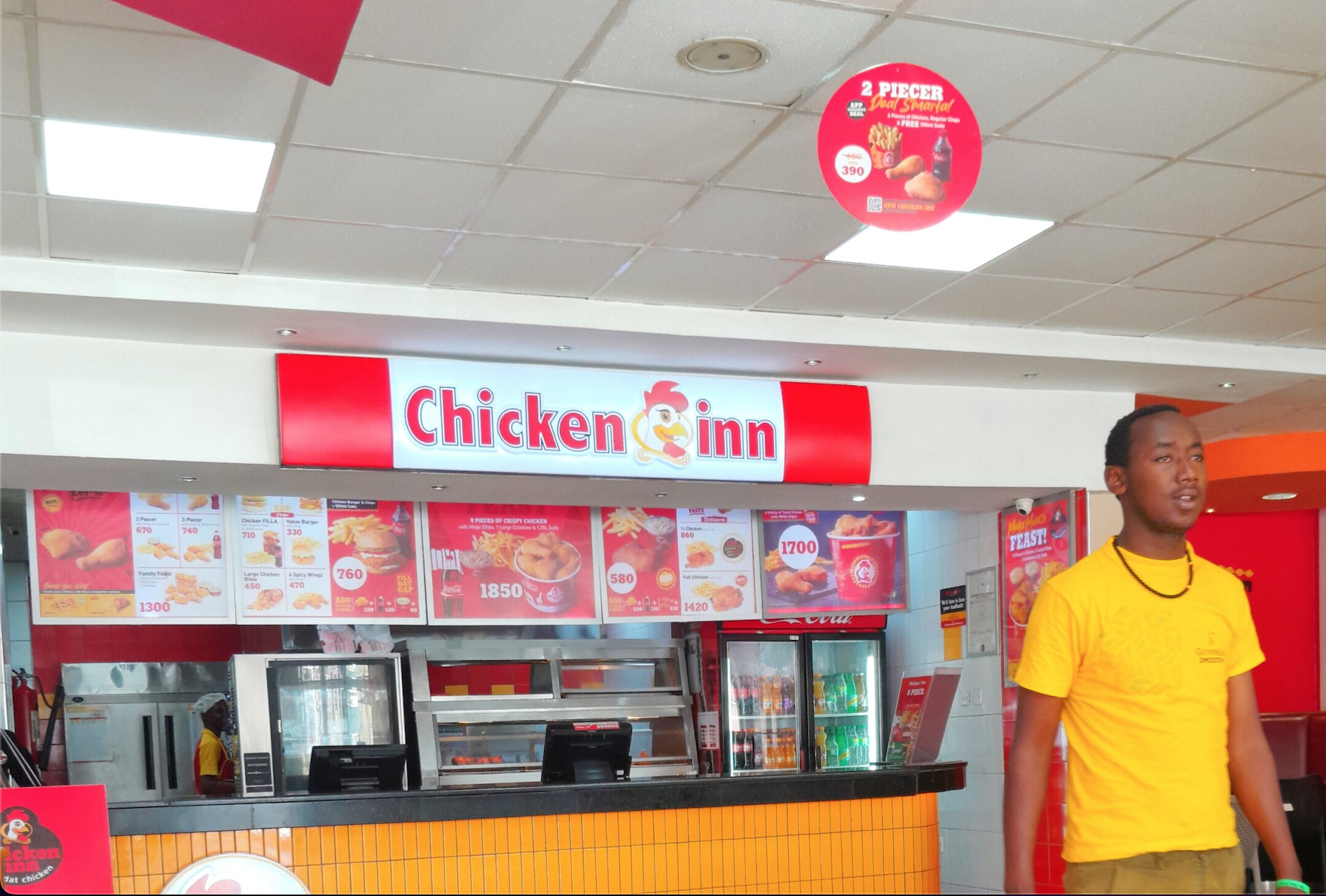
The operator of fast-food chains including Chicken Inn, Pizza Inn and Galitos, is seeing a sharp rise in food delivery demand across its markets, with Kenya emerging as a key driver of growth.
The company said delivery orders in Kenya jumped 71% in the quarter ended March, reflecting how rapidly food delivery apps are reshaping the fast-food industry in major African cities.
According to its latest trading update, Simbisa’s Kenyan operations now handle an average of about 6,000 deliveries per day. Delivery sales in some of its leading brands are approaching 30% of total revenue, underscoring the growing importance of online orders to its business model. In Zimbabwe, delivery volumes rose even faster, climbing 83% over the same period.
The company said the trend reflects a broader shift in the industry, where logistics and delivery capacity are becoming just as important as opening new restaurants. Fast-food operators are increasingly under pressure to serve customers faster across congested cities while keeping meals affordable in the face of inflation.
Simbisa said it recorded “strong growth in delivery volumes” in both Kenya and Zimbabwe, adding that it continues to pursue “balanced and sustainable growth across both delivery and walk-in channels.”
In Kenya, the surge in delivery helped lift customer volumes by 21% year on year to 3.5 million for the quarter. Revenue rose 15% to $21.6 million, supported by promotional offers and lower-cost meal options that helped attract more customers, even as average spend per customer declined 5% to $6.17.
The company said growth was supported by a mix of in-house delivery riders and third-party platforms such as Glovo, Uber Eats and Bolt Food, which have become central to how restaurant chains reach urban consumers who prefer convenience over in-store dining.
In Zimbabwe, Simbisa attributed its performance to a larger delivery fleet and improved zoning efficiencies, which helped speed up fulfilment times and expand reach.
However, the rapid expansion in delivery is also increasing operational pressure. The company noted that higher fuel costs from February linked to global oil supply disruptions tied to geopolitical tensions pushed up transport and supply expenses, tightening margins.
Over the past year, Simbisa added eight net-new counters in Kenya, bringing its total footprint in the country to 259 outlets. Across its markets, the group plans to open 17 additional stores in the current quarter as it looks to scale capacity and meet rising demand.