






it was first pitched as a cornerstone of Kenya’s industrial transformation, a long-stalled tech hub in Nairobi is getting another lifeline new funding, a new contractor, and yet another extended deadline.
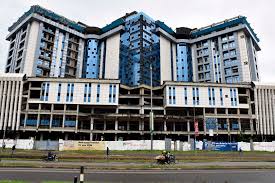
The Kenya Industrial Research and Development Institute (KIRDI) techno-centre was conceived in 2013 as a flagship innovation campus, designed to host advanced laboratories, testing facilities, and commercial spaces. But years of funding shortfalls, contractor disputes, and shifting timelines have left the project stuck in limbo.
Now, the government is making a fresh push. An additional KES 3.4 billion ($26.1 million) has been injected into the project, raising its total cost to KES 8.56 billion ($65.9 million) a 57% jump from its original budget. The Kenya National Highways Authority (KeNHA), which is overseeing the build, has awarded a new construction contract worth KES 2.66 billion to Kingsley Construction Company, with a revised completion date set for February 2028.
The delays mirror a broader trend across Kenya’s high-profile innovation projects. Ambitious initiatives like Konza Technopolis have similarly struggled with execution setbacks, limiting their ability to deliver economic value on time.
Originally scheduled for completion in March 2016, the KIRDI hub has missed multiple deadlines, with timelines slipping to 2022 and beyond as costs climbed and financing challenges persisted. By early 2024, the Auditor-General, Nancy Gathungu, reported that KES 5 billion ($38.5 million) had already been spent despite the project remaining incomplete.
In her 2025 report, Gathungu pointed to unpaid contractor bills and funding constraints as key reasons for the prolonged standstill, noting that “value for money has not been realised.”
At one point, KIRDI considered completing the project through a public-private partnership, but the plan was later dropped in favour of additional government funding.
Construction had ground to a halt entirely in 2022 after the original contractor walked off-site over unpaid dues, leaving behind a partially completed structure.
If completed, the facility is expected to feature a mix of research and commercial infrastructure, including laboratories, lecture halls, exhibition spaces, restaurants, a three-star hotel, and multi-level parking an ambitious vision that, for now, remains a work in progress.


