







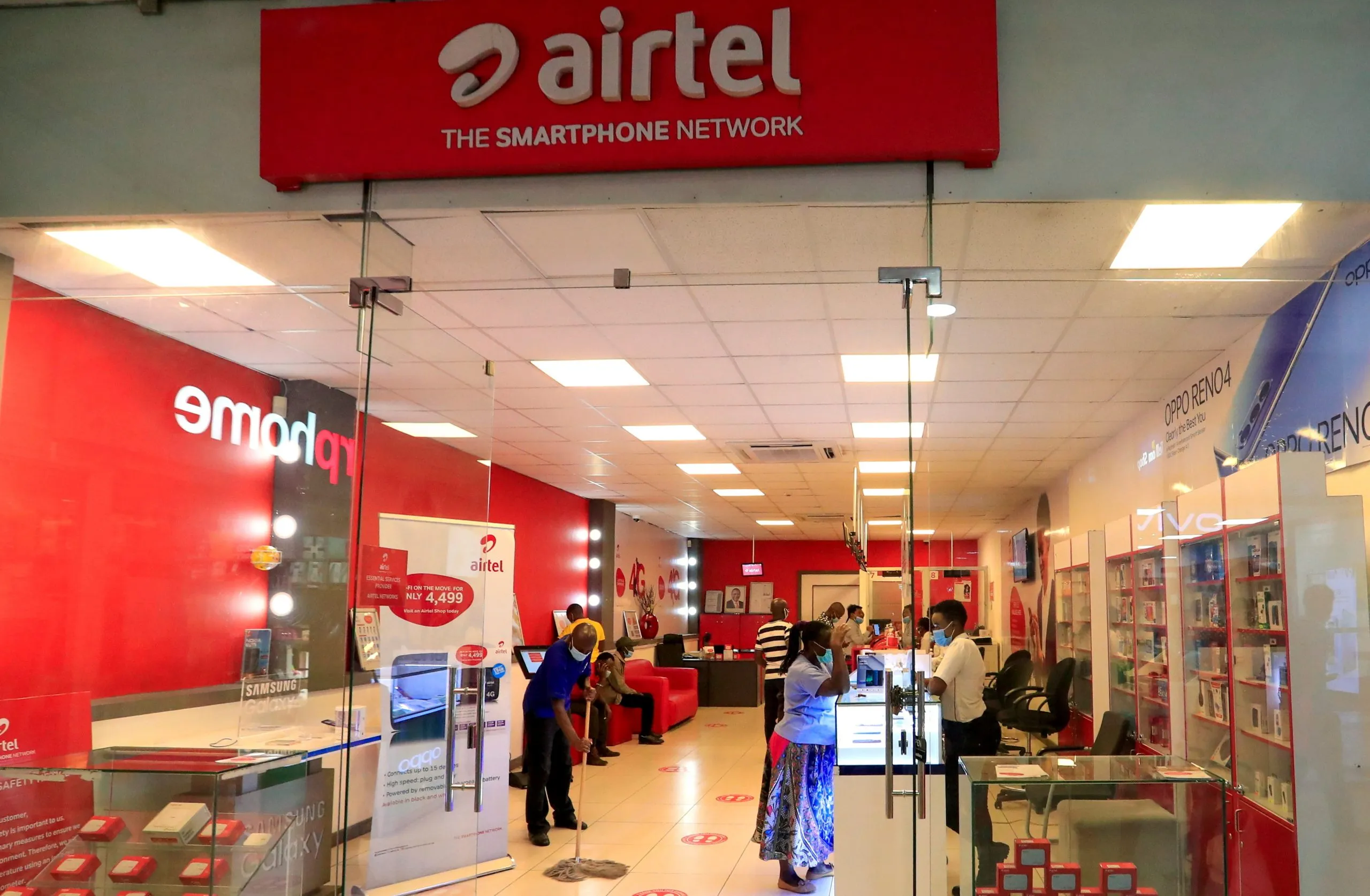
Airtel Nigeria’s financial arm, SmartCash Payment Service Bank (PSB), has hit nearly three million active users, a milestone the company says reflects customers who have transacted in the past 30 days a stricter standard than the six-month “active” metric used by many banks. Usage over longer 60- and 90-day windows is even higher, highlighting strong and growing engagement across the country.
Since the Central Bank of Nigeria introduced PSBs in 2018, telecom-led fintechs have struggled to turn subscriber scale into meaningful financial traction. Airtel’s SmartCash generated just $6 million in revenue by December 2025, modest compared with market leaders like OPay and PalmPay, whose revenues reached $63.9 million in 2023. Mobile money is Nigeria’s fastest-growing financial segment, with transactions hitting ₦20.71 trillion ($13.49 billion) in Q1 2025, yet regulation, late entry, and lending restrictions have slowed PSBs’ growth.
To catch up, SmartCash is leaning into a zero-fee banking model and a market-leading 15% annual interest rate on savings deposits. Interbank transfers, bill payments, and SMS transaction alerts all services that typically cost bank customers ₦10–₦50 per transaction are now free for SmartCash users. The only exception is government-mandated stamp duties on transfers above ₦10,000 ($7.39). CEO Ayotunde Kuponiyi described the move as removing a “psychological tax” that discourages low-income and rural Nigerians from fully embracing digital finance. “Transaction costs act as barriers to people accessing financial services,” he said. “We are eliminating this barrier, come and transact.”
The company is also offering incentives to deepen wallet usage, including up to 10% cashback on airtime and data purchases through the app or USSD code *939#. SmartCash’s savings wallet pays a flat 15% interest per year, calculated and credited daily, with automatic compounding even when customers frequently withdraw funds. Kuponiyi noted that the rate is linked to Nigeria’s monetary policy and may adjust if the Central Bank’s Monetary Policy Rate changes significantly.
To tackle failed transactions, a common problem in Nigeria’s digital banking ecosystem, SmartCash operates an auto-reversal system that returns failed transfers to customers’ wallets within 24 hours, in line with CBN guidelines. The company also maintains a toll-free customer care line (939) for dispute resolution.
SmartCash’s scale benefits from Airtel’s nationwide footprint, which Kuponiyi says gives the service a reliability edge. The network covers Nigeria’s 774 local government areas and includes more than 500,000 agents for cash-in and cash-out transactions. While he declined to reveal detailed revenue mechanics, Kuponiyi framed the zero-fee strategy as a long-term commitment rather than a promotional burn, aiming to use deposits and transaction activity to support a wider ecosystem that could eventually include credit, insurance, and remittance services.


