







South Africa has already rejected more than 5,500 visa applications flagged for fraud as it rolls out a new digital immigration system that uses machine learning, biometrics and facial recognition to screen travellers before they reach the country’s borders.
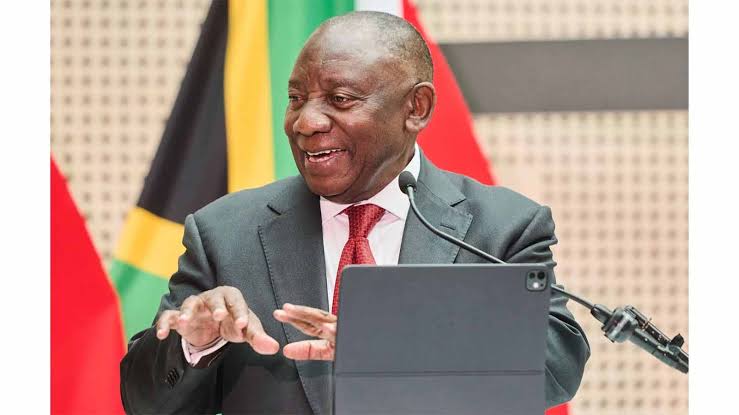
The Electronic Travel Authorisation (ETA), which President Cyril Ramaphosa is set to officially launch at OR Tambo International Airport on Wednesday, is at the centre of the Department of Home Affairs’ effort to overhaul how visitors apply for visas and pass through immigration.
The system has processed more than 203,000 applications since May, according to Home Affairs Minister Leon Schreiber. Among those, more than 5,500 were rejected after the system detected suspected fraud, including fake passports, altered documents and other irregularities.
The ETA allows prospective travellers to apply for tourist visas online from a laptop or smartphone. Their identities are then checked using biometric technology and machine learning before they travel.
Schreiber said the system examines 40 different parameters to determine whether a passport is genuine. It also uses liveness detection to compare an applicant’s selfie with the photograph on their passport, helping to establish whether the person applying is the legitimate passport holder.
The checks continue when travellers arrive in South Africa. At the border, the Border Management Authority (BMA) uses facial recognition to verify the traveller’s identity and visa.
The government says the technology is intended to strengthen border security while making entry quicker for legitimate travellers.
“The ETA combines advanced biometric verification, machine learning and the upgraded Electronic Movement Control System (eMCS 2.0) as part of a modern digital immigration ecosystem that strengthens border security while making travel to South Africa faster, simpler and more secure for legitimate travellers,” the Presidency said in an August 6 statement.
The rollout comes at a politically sensitive time for South Africa, where undocumented migration and border enforcement have become increasingly contentious issues. Anti-immigration protests have taken place across the country, with some demonstrations escalating into violence and looting. The issue has also created tensions with countries such as Ghana and Nigeria over the treatment of their citizens.
But the new system has clear limits.
Guy Leitch, a Johannesburg-based aviation analyst, said automated passport control was long overdue in Africa, particularly for improving the movement of passengers through airports. However, he warned that digital screening should not be mistaken for a solution to South Africa’s wider border-control problems.
The ETA is designed for people travelling through official ports of entry. It cannot prevent people from entering the country through informal routes.
“People are crossing rivers. They’re crossing through the Kruger National Park. They are wading through rivers,” Leitch said, highlighting the limits of technology that depends on travellers using formal border posts.
For now, the system is primarily focused on making legal travel more efficient while giving authorities more tools to detect fraudulent applications and documents.
The Department of Home Affairs plans to take the system further. It intends to turn the ETA into a single digital visa platform covering visitor, work and study visas, replacing older systems and reducing the department’s reliance on paper-based processes.
The government is betting that moving more of the immigration process online will not only make travel easier for legitimate visitors, but also give officials more opportunities to identify potential fraud before travellers arrive at the border.


