


Long-awaited national artificial intelligence policy has been pushed back to January 2027 after the government withdrew an earlier draft that was found to contain fabricated academic references, a scandal that has shaken confidence in the country’s AI governance plans.
The controversy has intensified scrutiny over the use of generative AI in policymaking and exposed serious gaps in government oversight at a time when countries across Africa are rushing to regulate rapidly evolving technologies.
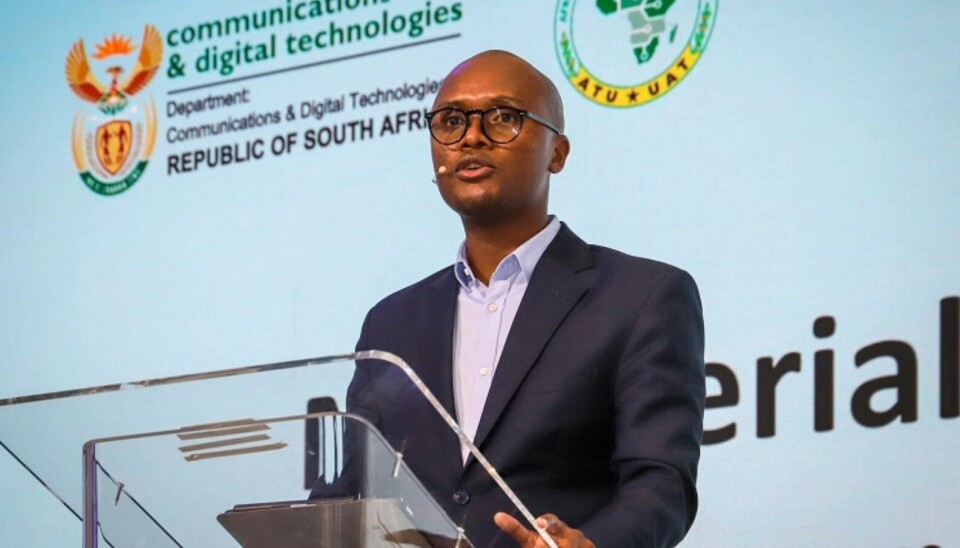
On Tuesday, Communications Minister Solly Malatsi and officials from the Department of Communications and Digital Technologies briefed Parliament on efforts to restore credibility to South Africa’s AI policy process following what authorities described as a major reputational setback.
South Africa had hoped to position itself as a continental leader in AI regulation and innovation. Instead, the collapse of its first draft policy has highlighted the risks of overreliance on generative AI tools, weak internal review systems, and the broader challenge governments face in crafting trustworthy rules for technologies already transforming business, education, and public services.
The original policy draft was approved by Cabinet in March and published for public comment in April. However, it was withdrawn weeks later after reports revealed that several academic citations referenced in the document appeared to be fake or linked to journals that had never published the studies in question.
Speaking before MPs, Malatsi admitted the department had failed to identify the errors before they were exposed publicly.
“The department had not picked up that there were issues with the references in the draft policy document before the events were exposed in news reports,” he said.
The minister confirmed that two officials had been suspended following the scandal, which dealt an embarrassing blow to South Africa’s ambition of becoming a leading force in AI governance on the continent.
“It was then that we got the responses to protect the integrity of the policy development process and, obviously, the stain that it has caused not just on the department but also on the government’s overall process of formulating and finalising policy,” Malatsi added.
In response, the department says it will strengthen internal review procedures and introduce stricter safeguards around the use of AI-generated content in official policy work.
On May 14, the government appointed an independent review panel to rebuild the withdrawn policy and recommend revisions before it is sent back to Cabinet later this year.
The panel will be chaired by Benjamin Rosman of the Machine Intelligence and Neural Discovery Institute at the University of the Witwatersrand. Other members include Vukosi Marivate, Alison Gillwald, cyber lawyer Lufuno Tshikalange, and several experts in AI governance, cybersecurity, and digital law.
With the revised framework now only expected to open for public consultation in 2027, South Africa remains without a formal national AI policy even as both government institutions and private companies continue adopting AI-powered systems at speed.
The delay now places growing pressure on policymakers to regulate a technology evolving far faster than government processes can currently match.