







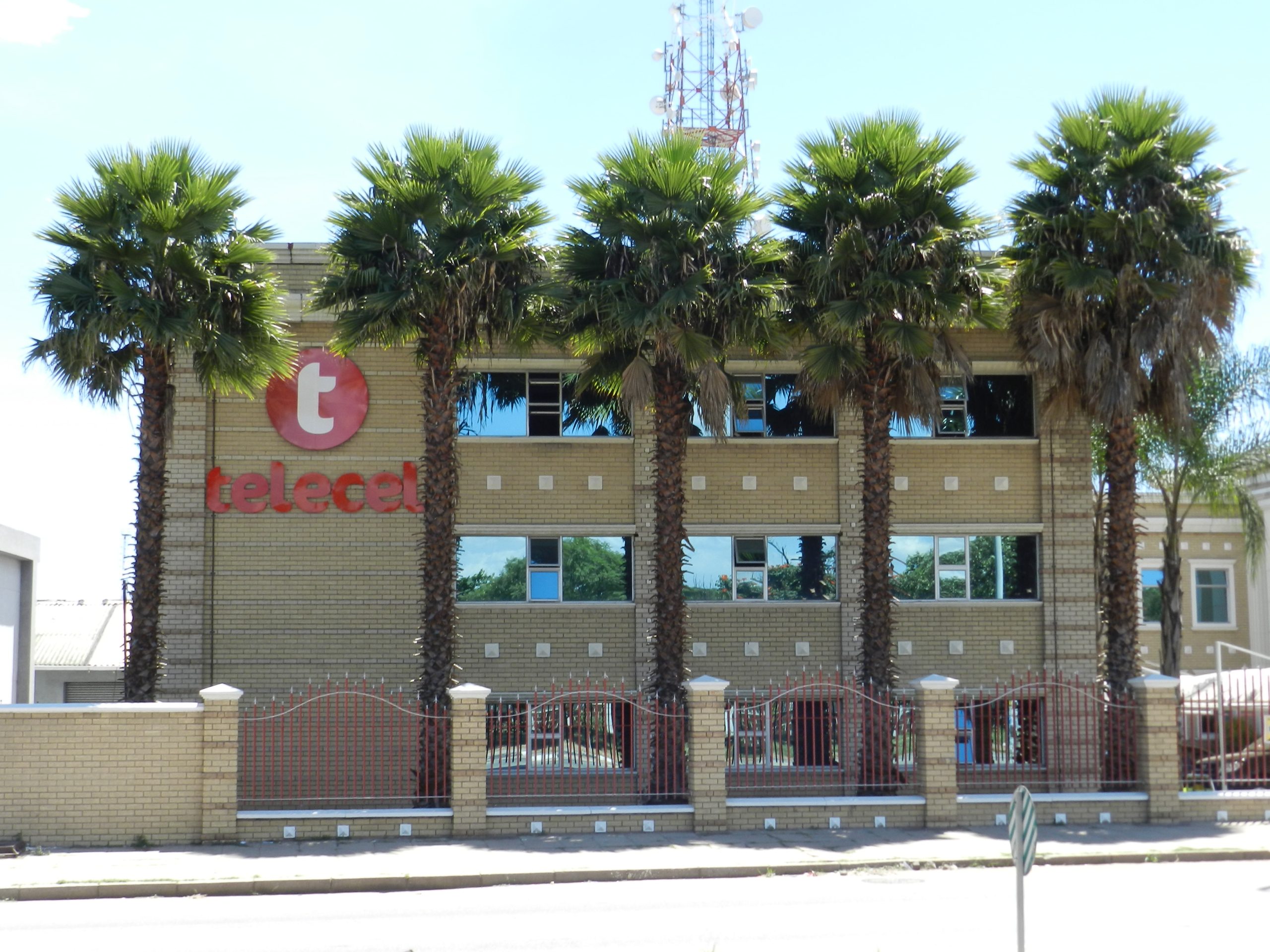
Telecel Zimbabwe is officially up for sale but under mounting pressure that highlights just how far the operator has declined.
Last week, corporate rescue practitioners from Grant Thornton invited investors to bid for a stake in the struggling telco, as it looks to exit a court-supervised rehabilitation process that began in October 2025. Interested buyers have until April 28, 2026, to submit offers, with full financial details only accessible after signing non-disclosure agreements.
The urgency is clear. Telecel is weighed down by more than $240 million in debt and faces the real prospect of liquidation if a buyer does not emerge. Its customer base has also eroded sharply, falling to just over 319,000 subscribers by mid-2025 another indicator of its weakening position.
Once a key player, Telecel is now a distant third in Zimbabwe’s telecom market. Its share has dropped below 2%, trailing far behind rivals like Econet Wireless and NetOne, both of which have continued to expand their networks and subscriber bases.
The company’s infrastructure challenges are just as stark. Its network footprint remains limited, with only a small number of LTE base stations and no visible path toward 5G deployment. For any potential investor, this is less a straightforward acquisition and more a turnaround project one that would require significant capital to rebuild and compete in a tough economic climate.
There are few bright spots. Telecel’s mobile money platform, Telecash, offers some residual value, but it operates in a highly competitive space dominated by EcoCash.
The stakes extend beyond Telecel itself. If the company fails to secure a buyer, Zimbabwe’s telecom sector could effectively narrow to a two-player market. In an industry where competition shapes pricing and service quality, that shift could further entrench the dominance of existing leaders.
Telecel’s current situation is the result of years of instability. Founded in 1998 as a joint venture, the company became entangled in prolonged ownership disputes, worsened by tensions between Zimbabwe’s indigenisation policies and foreign shareholders. In 2016, the government moved to take control of the business, acquiring a majority stake previously linked to VimpelCom. But the transition was fraught with legal challenges, including objections from minority shareholders who argued the deal violated existing agreements.
Without sustained foreign investment or technical backing, the network gradually deteriorated leaving the company struggling to keep pace with better-funded competitors.
Six months into its rescue process, the sale represents a final attempt to keep the business afloat. Whether investors see a viable turnaround opportunity or a distressed asset may ultimately determine not just Telecel’s fate, but the future structure of Zimbabwe’s telecom market.


