







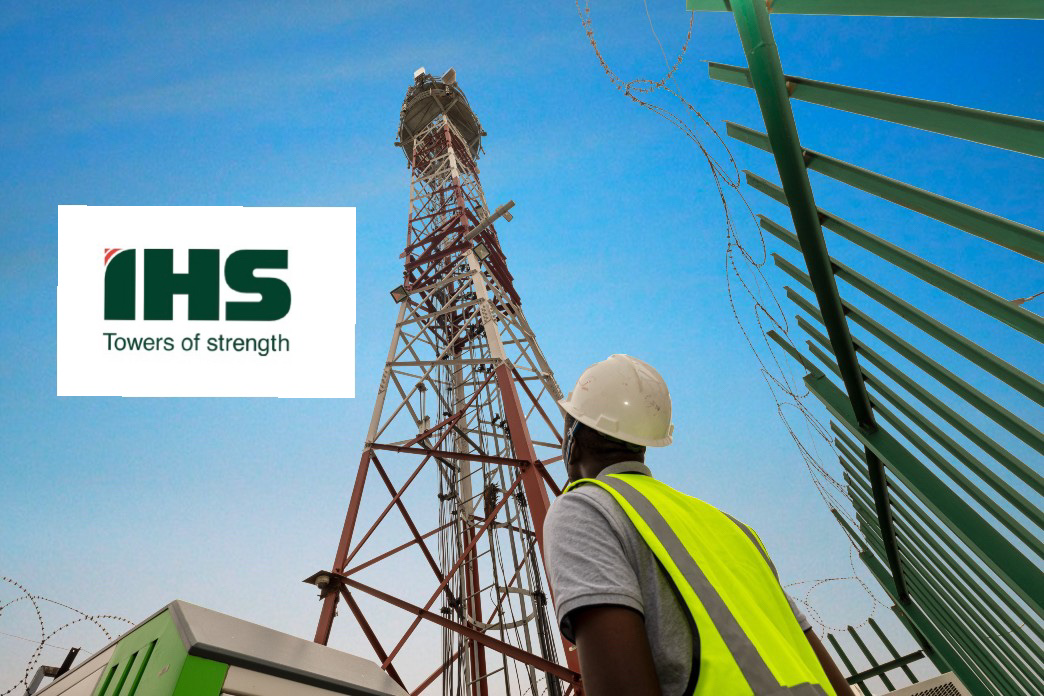
IHS Towers is pulling back on infrastructure spending as rising operational costs across African markets force telecom operators to reassess how quickly they expand their networks. The shift could ultimately slow down improvements in network quality for millions of mobile and internet users across the continent.
In its financial update on Tuesday, the tower company reported capital expenditure of $41.4 million for the first quarter of 2026, a 5.3% decline compared to the same period last year. The company said the drop reflects a “phasing” of discretionary spending,essentially delaying or spreading out non-essential expansion projects.
At the same time, costs continued to climb. Cost of sales rose to $183.6 million, up 5.64% year-on-year, underscoring the pressure from inflation, energy costs, and foreign exchange volatility across its operating markets.
As a key infrastructure provider for telecom operators such as MTN, Airtel, and 9mobile, IHS plays a central role in network expansion across Africa. Any slowdown in its capital projects typically affects the rollout of new towers, fibre networks, and upgrades that support 4G and 5G connectivity.
For users, that could translate into slower improvements in network coverage, weaker performance in congested urban areas, and delays in expanding high-speed internet access, particularly in rural and underserved communities where infrastructure is still limited.
The company is currently prioritising efficiency over aggressive expansion, slowing or deferring projects such as new tower builds, power system upgrades, and fibre deployments, while focusing on initiatives expected to deliver quicker returns.
The timing is significant. According to the Nigerian Communications Commission (NCC), Nigeria had more than 153 million active internet subscriptions as of March 2026, reflecting rapidly growing data demand driven by streaming, fintech services, social media, and remote work. Slower infrastructure rollout could make it harder for networks to keep pace.
Despite the broader slowdown, Nigeria remains a major focus for the company. IHS Towers increased capital spending in the country to $16.4 million in Q1 2026, up from $11.2 million a year earlier, even as overall group spending declined.
The cautious approach reflects wider industry pressures across Africa, where telecom infrastructure firms are shifting from rapid expansion to cost control. Rising diesel prices, inflation, and currency pressures have made it significantly more expensive to build and maintain network infrastructure.
The company’s financial moves also come amid major strategic repositioning. In February 2026, IHS Towers announced plans to divest its Latin American tower business to Macquarie Asset Management and sell its 51% stake in I-Systems to TIM S.A. It is also in the process of preparing for a proposed $2.2 billion acquisition by MTN Group expected to close later in 2026.
Even with reduced capital spending, the company posted stronger financial performance for the quarter. Revenue from continuing operations rose 6% year-on-year to $415.4 million, while adjusted EBITDA increased 6.4% to $268.7 million. Cash flow also improved, climbing 15.8% to $173.5 million, supported in part by lower interest expenses.
Chairman and CEO Sam Darwish attributed the performance to “disciplined execution and continued commercial momentum across the business.”
The company’s tower portfolio also continued to evolve. Total tower count fell by 1,571 year-on-year to 37,641, largely due to the disposal of its Rwanda operations in late 2025. Tenant numbers also declined, partly following the exit of Nigerian operator T2 (formerly 9mobile) from some sites under a restructuring agreement.
According to the company, T2 agreed to vacate certain sites in exchange for a structured repayment plan covering overdue balances through July 2027. As a result, total tenants stood at 54,854 at the end of the quarter.
Still, IHS said underlying demand for infrastructure remains strong. Excluding the impact of asset disposals and exits, the company added 865 net new tenants over the past year, while lease amendments—reflecting additional equipment on existing towers rose by 5,593.
The trend at IHS mirrors a broader shift across Africa’s telecom sector, where operators and infrastructure providers are tightening spending amid rising costs. Companies such as Airtel Africa have flagged energy-driven margin pressure, while MTN Rwanda has also signalled a more cautious approach to infrastructure investment.


