
Close Menu

    Join us Today

    Join 25,000 other smart people like you, and get every news update in your inbox.

    What's Hot

    Talksign, a Nigerian AI startup, launches real-time sign language translation models

    May 20, 2026

    Lagos targets tripling data centre capacity by 2030 amid AI-driven demand surge

    May 20, 2026

    GoTyme raises the stakes in South Africa’s fintech talent race with new employee share scheme

    May 20, 2026
    Facebook X (Twitter) Instagram
    Tech InsiderTech Insider
    • Privacy Policy
    • Terms and Conditions
    • Cookies Policy
    • Contact
    Facebook X (Twitter) Instagram
    SUBSCRIBE
    • Business
    • Entrepreneurship
    • Technology
    • Innovations
    • Reach Out
    Tech InsiderTech Insider
    Home»Startups»Vove ID Wants to End Africa’s KYC and KYB Frustrations for Good
    Startups

    Vove ID Wants to End Africa’s KYC and KYB Frustrations for Good

    Insider EditorBy Insider EditorNo Comments3 Mins Read
    Facebook Twitter LinkedIn WhatsApp Copy Link
    Follow Us
    Facebook Instagram LinkedIn
    Share
    Facebook Twitter LinkedIn WhatsApp Copy Link

    As Africa and the Middle East race deeper into the digital economy, one need has become impossible to ignore: dependable KYC and KYB infrastructure. From fintech apps and digital banks to mobility platforms and marketplaces, every digital product now lives or dies by how quickly and accurately it can verify people and businesses, and how well it meets tightening regulatory demands.

    But verification across the region is still riddled with problems. Onboarding remains slow, costly, and fragmented. Many individuals abandon sign-up when identity checks fail or repeatedly request documents that systems can’t validate. For SMEs, weak KYB frameworks create even higher barriers: outdated registries, mismatched records, and manual validation processes make it hard to prove legitimacy, access credit, or even open basic accounts.

    These gaps don’t just frustrate users, they limit how quickly digital products scale, raise compliance costs, and lock millions out of financial services.

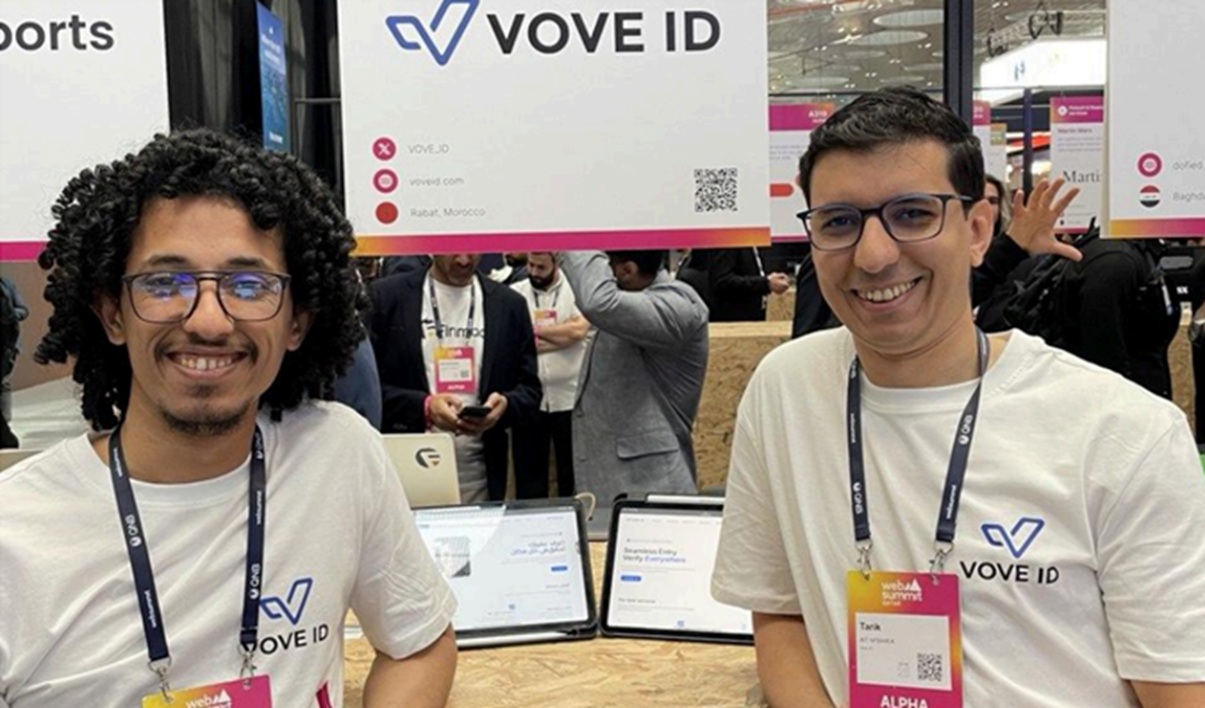
    Morocco-based regtech startup Vove ID believes the region is on the verge of an identity infrastructure overhaul. Founded in 2024 by Aoussar Khalid, Tarik Ait M’Barek, and Youssef Saber, the company is building a verification stack built specifically for African and Middle Eastern realities rather than retrofitting global tools.

    Vove says its system can verify users in under 60 seconds, plug into production environments in less than five hours, and recognise more than 2,100 ID documents from over 100 countries. It also offers flexible, pay-as-you-grow pricing starting at $49 per month, an intentional departure from rigid, expensive contracts.

    “We’ve personally dealt with fragmented KYC providers and inconsistent verification for African and MENA users while building other products,” the founders said. “We built Vove because we experienced the same problems our customers face today.”

    The startup has already secured backing from The Baobab Network and Open Startup International Corp, funding that is powering its first commercial rollouts and early expansion efforts.

    Demand for strong verification systems has outpaced the infrastructure built to support it. In many Sub-Saharan countries, nearly 500 million people still lack legal identification. And even when documents exist, verification often stalls due to scattered databases, inconsistent ID formats, and offline workflows. Corporate registries are incomplete in many markets, leaving businesses stuck in slow, error-prone KYB processes.

    Several companies have attempted to modernise this space, processing millions of checks across the continent. But much of the market still relies on global tools built for Western ID systems tools that often struggle with multilingual naming structures, low-end mobile devices, and the sheer variety of documents issued across African and Middle Eastern governments.

    Vove argues that this is where its advantage lies. Its platform is designed around the unique documents, formats, languages, and network realities of the region, while still offering global coverage.

    “We saw three big gaps,” the company explained. “Global tools weren’t deeply adapted to African and MENA IDs, which meant low pass rates and a lot of manual reviews. Pricing structures weren’t friendly to early-stage companies. And integrations took weeks.”

    #business #startup #Trending
    Previous ArticleAfter Two Decades on the Continent, Paramount Africa Announces Closure
    Next Article Verve at 100 Million Cards and What the Milestone Means for Africa’s Payment Landscape
    Insider Editor
    • Website

    The leading African innovative tech, startup and business news provider. For Ads/enquiries, email 📩 business@techinsider.africa

    Related Posts

    Talksign, a Nigerian AI startup, launches real-time sign language translation models

    GoTyme raises the stakes in South Africa’s fintech talent race with new employee share scheme

    Africa Bitcoin Corporation moves to Johannesburg Stock Exchange Main Board

    Leave A Reply Cancel Reply

    Most Popular
    Startups

    Talksign, a Nigerian AI startup, launches real-time sign language translation models

    By Insider Editor0

    Talksign, a Nigeria- and UK-based artificial intelligence startup, has launched two new AI models designed…

    Lagos targets tripling data centre capacity by 2030 amid AI-driven demand surge

    May 20, 2026

    GoTyme raises the stakes in South Africa’s fintech talent race with new employee share scheme

    May 20, 2026

    Africa Bitcoin Corporation moves to Johannesburg Stock Exchange Main Board

    May 19, 2026
    Our Socials
    • Facebook
    • Twitter
    • Instagram
    More Stories

    Talksign, a Nigerian AI startup, launches real-time sign language translation models

    May 20, 2026

    Lagos targets tripling data centre capacity by 2030 amid AI-driven demand surge

    May 20, 2026

    GoTyme raises the stakes in South Africa’s fintech talent race with new employee share scheme

    May 20, 2026

    Africa Bitcoin Corporation moves to Johannesburg Stock Exchange Main Board

    May 19, 2026

    Join Our Community

    Join 25,000 other smart people like you

    Demo
    Tech Insider
    Facebook X (Twitter) Instagram
    • Privacy Policy
    • Terms and Conditions
    • Cookies Policy
    • Contact
    © 2026 Tech Insider Africa. All rights reserved.

    Type above and press Enter to search. Press Esc to cancel.

    Cookies Policy - Terms and Conditions - Privacy Policy