


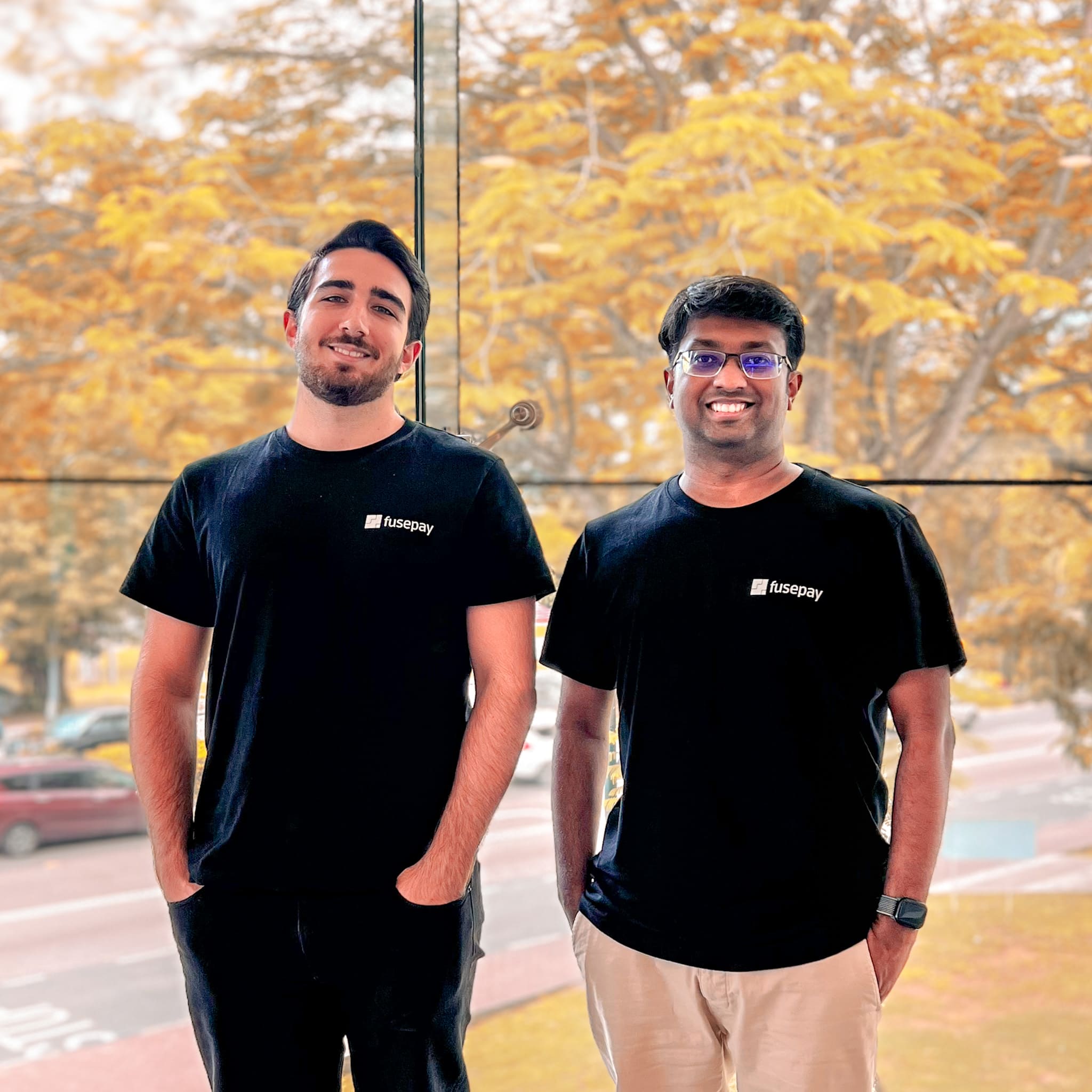
Fusepay, a Seychelles-founded fintech building payment tools for frontier markets, has launched a digital payment platform designed to help businesses in the East African island nation streamline their finances and move away from slow, paper-heavy processes.
The launch comes on the heels of a $350,000 pre-seed round raised in August, led by Hustle Fund with participation from Everywhere Ventures, First Check Ventures, Startup Istanbul, and angel investor Ryan Nesbitt.
Business payments in Seychelles are still largely driven by cheques and manual workflows, creating delays, reconciliation issues, and inefficiencies. As part of its broader digital governance agenda, the Central Bank of Seychelles is pushing the country toward a fully digital financial system to reduce dependence on physical cash. Fusepay’s entry arrives at a pivotal moment, offering businesses a modern alternative as the nation transitions to digital finance.
Armed with a Payment Service Provider (PSP) licence and Central Bank approval, Fusepay is tailored specifically for businesses, retailers, wholesalers, and billers. It offers virtual business accounts, instant transfers, post-dated digital payments that replace paper cheques, and automated reconciliation for accounting teams. Its API product, Fusepay Bridge, allows utilities, telecoms, government agencies, and other billers to collect payments electronically and issue instant digital receipts.
Founded in June 2024 by Vidhyasahar Thiyagarajan (CEO) and Francesco Rocchi (CTO), the company’s vision is shaped by the founders’ upbringing in family-run retail and wholesale businesses in Seychelles. Their firsthand experience with manual, cheque-based payments heavily influenced the platform’s design.
Fusepay is positioning itself for expansion into high-spending island economies where digital payment rails are weak and local currencies limit interoperability. Thiyagarajan said the startup is evaluating more than 20 frontier markets across Africa, the Indian Ocean islands, the Caribbean, and the Pacific a combined total addressable market estimated at $25 billion.
The company’s core revenue stream comes from FuseCheq, its digital replacement for paper cheques used in B2B transactions, which charges a 0.6% fee per transaction.
According to Thiyagarajan, businesses in Seychelles have relied on outdated systems—paper cheques, manual approvals, and slow processing for far too long, leading to operational losses and even fraud. Some of these legacy systems are now being phased out under government directives. Fusepay plans to enter Mauritius and the Maldives within 18 months.
“The time wasted and the losses caused by outdated systems are real,” he said. “Manual processes made employee fraud far too easy, and we have seen businesses shut down because of it. We built Fusepay to give businesses a faster, safer and more transparent way to operate.”
Fusepay notes that it has no direct fintech competitors in Seychelles focused specifically on B2B digital payments. Instead, its primary competition remains legacy internet banking portals and the entrenched paper-cheque systems used by local banks.
The company is also developing an integrated inventory and order management system to help small and medium-sized businesses streamline operations without juggling multiple tools.
While Seychelles is its first market, Fusepay plans to expand across underserved Indian Ocean islands and other frontier markets with similar structural gaps in payment infrastructure.
“Frontier markets like Seychelles need technology built for their context,” said Rocchi. “Our goal is to modernise payments from the ground up so businesses can operate with confidence and clarity.”
Investors believe the opportunity is significant given the sheer volume of business payments still trapped in legacy systems. Scott Hartley, co-founder and Managing Partner at Everywhere Ventures, noted that the Fusepay team identified “billions of dollars in business transactions that need to be modernised” across the region.