
Close Menu

    Join us Today

    Join 25,000 other smart people like you, and get every news update in your inbox.

    What's Hot

    Kenya has expanded its tax net, now targeting foreign income linked to operations in Nairobi.

    April 13, 2026

    Crosspoint Innovate has officially opened applications for its $5,000 founder grant, set to be awarded at INNOVATE 2026.

    April 13, 2026

    Mosron Communications has been named one of the Top 10 PR agencies in Nigeria by Africa PR Week

    April 10, 2026
    Facebook X (Twitter) Instagram
    Tech InsiderTech Insider
    • Privacy Policy
    • Terms and Conditions
    • Cookies Policy
    • Contact
    Facebook X (Twitter) Instagram
    SUBSCRIBE
    • Business
    • Entrepreneurship
    • Technology
    • Innovations
    • Reach Out
    Tech InsiderTech Insider
    Home»Banking»The Story of How Kuda Made Its Own Banking System
    Banking

    The Story of How Kuda Made Its Own Banking System

    Insider EditorBy Insider EditorNo Comments3 Mins Read
    Facebook Twitter LinkedIn WhatsApp Copy Link
    Follow Us
    Facebook Instagram LinkedIn
    Share
    Facebook Twitter LinkedIn WhatsApp Copy Link

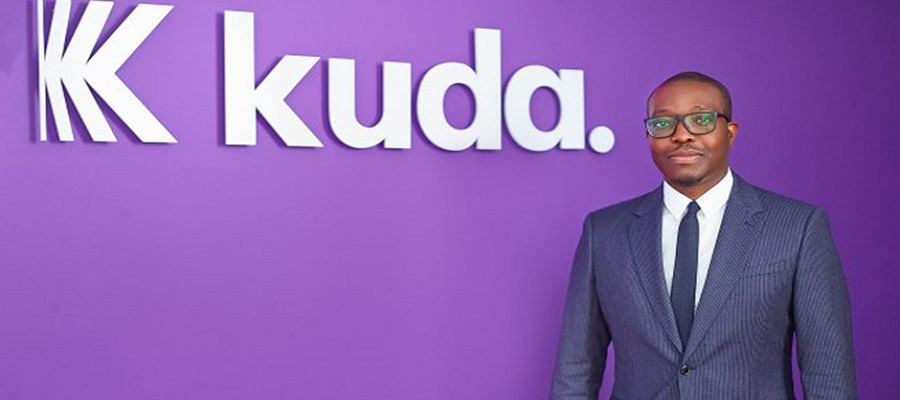
    Kuda, a Nigerian neobank with over seven million customers, saw something others hadn’t: building its own CBA could make or break the bank. “It was one of the hardest and most daring decisions I’ve ever taken,” said Musty Mustapha, Kuda’s co-founder and CTO. “I knew I had to stake everything,my team, our investors, the board on this choice.”

    Banking itself hasn’t changed much over the decades: take deposits, guarantee access, lend to the economy. What has changed is the engine that powers it. A core banking application is that engine recording every deposit, loan, and transaction, updating accounts in real time, and enabling banks to launch new products. In 2019, Kuda was still small enough to fit key decision-makers around a single table. There were no major venture capital headlines yet. The neobank ran on a third-party core provider, like most Nigerian banks, which avoids the time and cost of building its own system. But as Kuda grew, its third-party system started to buckle under pressure. Customers multiplied, new products rolled out, and instability became a real risk. “We realized our growth could break the system, and that could kill the company,” Mustapha said. After discussions with engineers and Kuda’s CEO, Babs Ogundeyi, the team decided to build NERVE, Kuda’s in-house core system, named after the human nervous system for the way it quietly powers everything. “At the time, no fintech or bank in Nigeria had built its own core system,” Mustapha said. “We were pioneers.”
    The journey began like most banks start: shopping for a solution. Kuda tested local and foreign providers, eventually launching in August 2019 on a local system. But as the customer base surged past a million, cracks appeared. The system couldn’t scale, adapt, or stay reliable. “If your systems aren’t stable, you can as well pack up and go home,” Mustapha said. So Kuda made a bold choice: build its own. But it didn’t bet the company. NERVE ran in parallel while the existing system kept the bank operational. “It was a side project that could fail without killing us,” Mustapha explained.

    Kuda’s engineers decided early on that NERVE had to be flexible and scalable. They chose a microservices architecture and set a lofty goal: 1,000 transactions per second without slowing down. Early tests barely hit 10, but through careful tuning, the system eventually surpassed 5,000 in stress tests. Switching systems isn’t easy. Big banks spend millions and still face outages. For a startup, the stakes were higher. Kuda treated customers as partners, communicating openly before and during the switch. Even so, the first production migration failed. Engineers reverted to a staging environment, solved the issues, and eventually launched successfully turning what could have been a disaster into a seamless transition.

    Owning its core system didn’t start as a cost-cutting move. It was about serving customers better. With NERVE, Kuda removed third-party risks, sped up transactions, and enabled products that would have been slower or impossible on an external system like internal overdrafts, term loans, multi-currency wallets, and business banking. Operationally, NERVE automated end-of-day processes that previously froze the system, allowing the bank to run smoothly without manual intervention. “This isn’t just software,” Mustapha said. “It’s the foundation for building the kind of financial services Nigeria needs.”

    CLICK HERE FOR MORE

    #africa #banking update
    Previous ArticleArc Ride Secures $5 Million IFC Investment to Grow Regional Operations in Kenya
    Next Article SmartCash by Airtel Hits 3 Million Users as Mobile Money Grows in Nigeria
    Insider Editor
    • Website

    The leading African innovative tech, startup and business news provider. For Ads/enquiries, email 📩 business@techinsider.africa

    Related Posts

    Kenya has expanded its tax net, now targeting foreign income linked to operations in Nairobi.

    Crosspoint Innovate has officially opened applications for its $5,000 founder grant, set to be awarded at INNOVATE 2026.

    Mosron Communications has been named one of the Top 10 PR agencies in Nigeria by Africa PR Week

    Leave A Reply Cancel Reply

    Most Popular
    Update

    Kenya has expanded its tax net, now targeting foreign income linked to operations in Nairobi.

    By Insider Editor0

    A new ruling by Kenya’s Tax Appeals Tribunal could reshape how income earned abroad is…

    Crosspoint Innovate has officially opened applications for its $5,000 founder grant, set to be awarded at INNOVATE 2026.

    April 13, 2026

    Mosron Communications has been named one of the Top 10 PR agencies in Nigeria by Africa PR Week

    April 10, 2026

    Madica invests in three startups, unveils fundraising guide for first-time founders

    April 10, 2026
    Our Socials
    • Facebook
    • Twitter
    • Instagram
    More Stories

    Kenya has expanded its tax net, now targeting foreign income linked to operations in Nairobi.

    April 13, 2026

    Crosspoint Innovate has officially opened applications for its $5,000 founder grant, set to be awarded at INNOVATE 2026.

    April 13, 2026

    Mosron Communications has been named one of the Top 10 PR agencies in Nigeria by Africa PR Week

    April 10, 2026

    Madica invests in three startups, unveils fundraising guide for first-time founders

    April 10, 2026

    Join Our Community

    Join 25,000 other smart people like you

    Demo
    Tech Insider
    Facebook X (Twitter) Instagram
    • Privacy Policy
    • Terms and Conditions
    • Cookies Policy
    • Contact
    © 2026 Tech Insider Africa. All rights reserved.

    Type above and press Enter to search. Press Esc to cancel.

    Cookies Policy - Terms and Conditions - Privacy Policy